
 Business License

Quality Control in Oil Purifier Manufacturing: From Raw Materials to Final Testing
A buyer once took delivery of a vacuum oil purifier that looked impressive on the outside but could not hold vacuum on the inside. A hairline weld in the vacuum chamber leaked just enough to keep the machine from ever reaching its rated pressure. The unit sat idle for weeks while the fault was traced, and the buyer learned the hard way that what cannot be seen is exactly what a quality program must prove.
Oil purifiers are not judged by appearance. They are judged by whether they can hold a deep vacuum, heat oil precisely, and produce dry, particle-free oil run after run. This article walks through how a manufacturer controls quality from incoming materials to the final test, so buyers can understand what sits behind a machine that performs consistently.
1. Why Quality Control Matters in Oil Purifiers
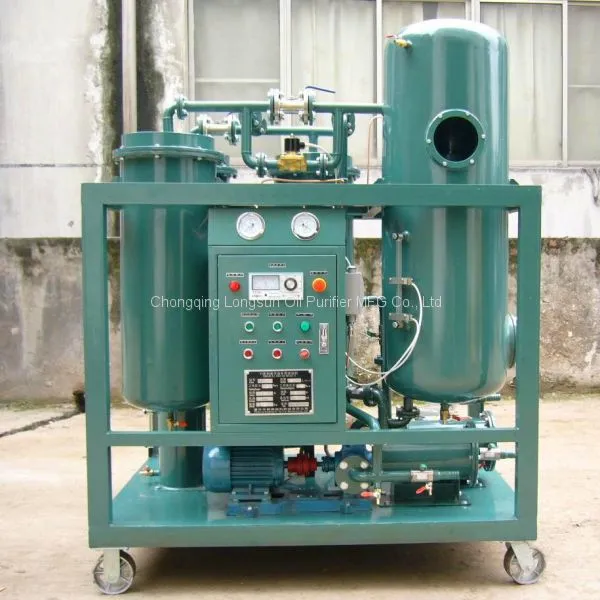
An oil purifier operates under conditions that punish weak construction. The vacuum chamber must stay leak-free under deep vacuum, the heater must hold a stable temperature, and every joint that carries hot oil must seal without weeping. A single small defect can undermine the whole machine's performance.
The consequences of a failure are not cosmetic. A machine that cannot reach its vacuum rating will never dry oil to the promised moisture level, and a leaking seal can introduce contamination or create a fire hazard with hot oil. This is why quality control is treated as a core manufacturing function rather than a final inspection formality.
The goal of a quality program is to catch defects early, when they are cheap to fix, and to verify the finished machine against measurable standards. That verification is what gives a buyer confidence that the delivered unit will perform as specified, not just look the part.
In practice, a good program runs on three layers that build on each other. Incoming inspection filters out bad materials, in-process checks catch assembly faults as they happen, and final testing proves the complete machine works. Skipping any one of these layers shifts the burden to the next, which is how defects slip through to the customer.
2. Raw Material and Component Inspection
Quality begins before any assembly starts, with the materials that go into the machine. Steel plate for the vacuum chamber is checked for grade and thickness, and every valve, pump, gauge, and heater is verified against its specification. Substandard materials here cannot be corrected later, no matter how careful the assembly.
Vacuum pumps and transfer pumps are especially critical because they determine how deep a vacuum the machine can pull and how fast oil moves through it. A pump that underperforms its rating will cap the machine's final dryness, so incoming pumps are often run and checked before installation.
Seals, gaskets, and hoses receive attention too, since they are the most common source of slow leaks. A gasket that degrades in hot oil can fail months after delivery, so manufacturers select materials rated for the temperatures and fluids the machine will handle. The table below summarizes the main incoming checks.
| Incoming Item | What Is Checked | Why It Matters |
|---|---|---|
| Steel plate and vessels | Grade, thickness, surface defects | Vacuum chamber strength and leak resistance |
| Vacuum pumps | Rated vacuum, run-in performance | Determines achievable dryness |
| Heaters and controls | Rating, calibration, safety limits | Stable temperature without overheating oil |
| Valves and seals | Material, fit, temperature rating | Prevents slow leaks in service |
| Filters | Micron rating, media quality | Final particle removal performance |
3. Welding and Vessel Integrity
The vacuum chamber is the heart of the machine, and its welds are the most important joints in the entire unit. Every weld is inspected, and the chamber is pressure-tested to confirm it will hold vacuum without leaking. This is where a hairline defect, the kind that passes a visual check, gets caught.
Testing a vessel for leaks usually involves pulling a vacuum or applying pressure and watching whether the level holds over time. A chamber that loses vacuum slowly has a leak, even if the leak is too small to see. Only a chamber that holds its level is allowed to move forward in assembly.
Beyond the chamber itself, all pipework and fittings are checked the same way once assembled. A machine is only as leak-free as its worst joint, so the same standard applies from the largest vessel down to the smallest connection.
Some manufacturers go further and use non-destructive methods to inspect critical welds, looking for internal defects that a surface check would miss. Whether it is a simple leak test or a more thorough inspection, the principle is the same: prove the vessel holds before it carries hot oil under vacuum.
4. Vacuum System Verification
Once assembled, the machine's vacuum system is tested as a whole, not just in parts. The manufacturer runs the vacuum pump and confirms the machine reaches its rated vacuum level within a reasonable time. This verifies that the pump, chamber, and seals all work together as designed.
The test also checks for leaks under running conditions, since joints can behave differently when warm and under load than when cold. A machine that reaches deep vacuum quickly and holds it has passed the most important performance gate in the entire build.
For machines with a second vacuum stage, each stage is verified separately and then together. The final chamber must reach the deeper vacuum that the machine's specification promises, because that figure is what determines the residual moisture the buyer can actually achieve.
5. Heating and Temperature Control
Heating is a balancing act. The oil must be warm enough to release moisture efficiently, but not so hot that it risks oxidizing. Quality control verifies that the heater reaches the working temperature and, more importantly, that the controls hold it there without drifting or overshooting.
A machine that overshoots its temperature can quietly damage the very oil it is meant to protect. This is why temperature control is tested as carefully as the vacuum system, with the heater cycled and the cut-off and alarm limits confirmed. The controls must protect the oil even if an operator or a sensor makes a mistake.
Temperature sensors are calibrated as part of this step. A gauge that reads a few degrees off can push the machine outside its safe window, so calibration is treated as a routine, documented part of the build rather than an afterthought.
Heater type also influences how gently the oil is warmed. Some designs use indirect heating that spreads the temperature evenly and avoids the local hot spots that can scorch oil on a bare element. Verifying even heating is part of confirming the machine will treat oil gently over years of use.
6. Performance Testing with Real Oil
The most convincing test is the one that runs real oil through the machine. Many manufacturers perform a final functional test using actual insulating or hydraulic oil, running the machine through its full cycle and sampling the result. This confirms the machine does what it is built to do, end to end.
During this test, the oil's condition before and after is compared. Moisture should fall, breakdown voltage should rise, and the oil should come out visibly cleaner. These are the same metrics a buyer will check on site, so proving them in the factory closes the loop between specification and reality.
Chongqing Junsun Mechanical & Electrical Co Ltd applies this approach, running each completed machine through a functional check before it leaves the plant. The goal is for the unit that arrives on site to behave like the one that was tested, with no surprises discovered only after commissioning.
The choice of test oil matters as well. A machine tested on clean, easy oil may not reveal how it handles wet or heavily contaminated stock, so a meaningful test starts from oil that is genuinely in need of treatment. That way the before-and-after difference is a real measure of the machine's capability, not a formality.
7. Certification and Documentation
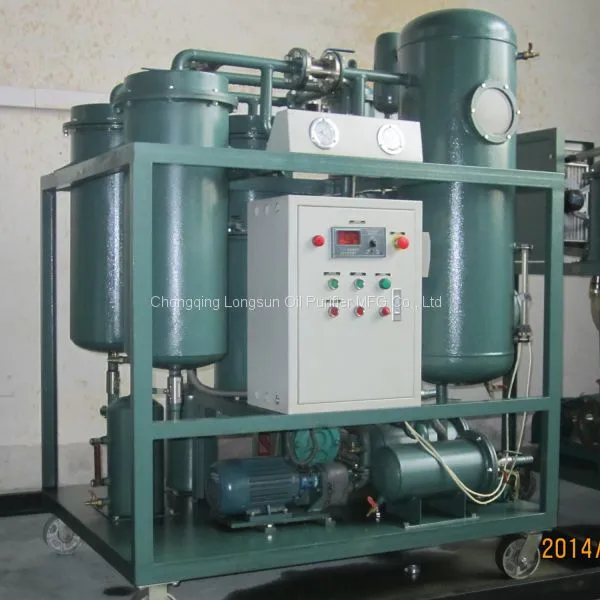
A quality program is only credible if it is documented. Each machine should leave with records showing what was tested and the results, so the buyer has evidence of performance rather than an assertion. This documentation also supports future servicing and any warranty claims.
Management system certification adds a layer of accountability. A manufacturer operating under ISO9001 follows a structured quality management process, which means the checks described here are performed consistently across every machine rather than at the discretion of individual workers.
For oil purification equipment, relevant certifications and standards give buyers a benchmark to evaluate suppliers against. They are not a guarantee of perfection, but they signal that the manufacturer has a repeatable process in place, which is what consistent quality actually requires.
Traceability ties the whole program together. When each machine carries a record of its key components and test results, a problem found years later can be traced back to its source quickly. That kind of record-keeping is invisible when everything works, but it becomes the difference between a quick fix and a long investigation when something does not.
8. Real-World Examples
A power contractor in West Africa ordered a skid-mounted purifier and asked for a factory performance test before shipment. The unit was run on insulating oil at the plant, and the moisture and breakdown voltage results were recorded and sent to the buyer. When the machine arrived, it matched the test results on the first commissioning run, and the buyer's site team was able to put it straight to work.
A smaller distributor, some time ago, bought several portable units from the Junsun range and reported that the consistency between machines was the most valuable thing. Each unit behaved like the last, which made training and scheduling simpler for the field crews. That repeatability is the real product of a disciplined quality program.
In both cases, what protected the buyer was evidence gathered before the machine shipped. Test records, held vacuum, and documented performance are the currency of trust in this equipment, and they are built one inspection at a time.
9. Frequently Asked Questions
9.1 How can I verify a purifier's quality before buying?
Look for documented test results rather than specifications alone. Ask the manufacturer whether they run a functional test with real oil and whether they can share the before-and-after moisture and breakdown voltage figures. Management system certification such as ISO9001 is also a useful signal that the checks are performed consistently, and a supplier that can show test records gives you evidence, not just promises. It is worth asking for those records before you commit to an order, and a short conversation with the manufacturer about their test process often tells you more than the brochure does.
9.2 What is the most common quality problem in oil purifiers?
Vacuum leaks are the most common and most damaging fault, because a machine that cannot hold vacuum cannot reach its rated dryness. They usually come from small weld or seal defects that are hard to see but easy to catch with a leak test. This is why a serious manufacturer pressure-tests the chamber and runs the machine under vacuum before it ships, rather than relying on visual inspection alone. A machine that has passed this test will reach and hold its rated vacuum on your site as well.
9.3 Why is a factory performance test important?
A factory test runs real oil through the completed machine and confirms it reaches its specified moisture and cleanliness results before shipping. This catches assembly faults at the plant, where they are quick to fix, instead of on your site during commissioning. It also gives you a baseline result to compare against when the machine is first run, which makes any transport or setup problem much easier to identify and resolve quickly. It is a small step in the build that saves real time later.
9.4 What certifications should an oil purifier manufacturer have?
ISO9001 is the most relevant management system certification, because it requires a structured, documented quality process across design, purchasing, and production. Product-specific standards vary by region and application, so it is worth confirming which ones apply to your equipment class. Certifications are a useful benchmark, but they should be backed up by the actual test records for the machine you are buying, since the records prove performance on your specific unit rather than on paper. That distinction is what separates a real quality program from a well-written brochure.
Recently Posted
-
How Substations Use Insulating Oil Purifiers to Extend Transformer Life
August 27, 2026A distribution substation near a river delta once logged a routine oil sample that came back worse than expected. The breakdown vo Read More
 -
Insulating Oil vs Transformer Oil vs Dielectric Oil: Terminology Explained
August 26, 2026A procurement engineer once spent a frustrating week chasing a specification written by two different departments. One referred to Read More
 -
What Is a Transformer Oil Purification Machine? A Complete Guide
August 25, 2026A plant manager once faced a transformer that had been running for years without attention, and the oil sample that came back from Read More
 -
Transformer Oil Purification in Power Plants: A Maintenance Perspective
August 21, 2026A combined-cycle plant in Southeast Asia ran a 120 MVA step-up transformer for years without a single oil treatment cycle. Routine Read More

Contact Us
Recommended Products
-
 Highly Automated Transformer Oil Filtration Plant For Insulating Oil TreatmentNegotiableMOQ: 1 Set
 -
CJME 100KV Automatic Insulation Oil Dielectric Strength Tester for BDV TestingNegotiableMOQ: 1 Set
-
JUNSUN 80KV Transformer Oil Dielectric Strength Tester Rigidez Dielectrica TestingNegotiableMOQ: 1 Set
-
JCDY-023 Transformer Oil Breakdown Voltage Tester IEC 60156 Oil BDV TesterNegotiableMOQ: 1 Set
-
DP70B Handheld Dew Point Meter for Compressed Air Dryer SystemsNegotiableMOQ: 1 Set

-
Two-Stage Vacuum 100 L/min Oil Processor for Transformer Oil PurificationNegotiableMOQ: 1 Set
-
JUNSUN 12000 LPH Thermal Vacuum Transformer Oil Treatment Machine For Oil PurificationNegotiableMOQ: 1 Set
-
Transformer Oil Purification Machine 6000 Liters Per Hour With Double Stage High Vacuum SystemNegotiableMOQ: 1 Set
-
Junsun Mi550 Handheld Three Phase Power Quality AnalyzerUS$ 750 - 1500MOQ: 1 Set
-
80KV & 100KV Transformer Oil Breakdown Voltage/ Dielectric Strength/ BDV TesterUS$ 850 - 1999MOQ: 1 Set

-
Automatic PMCC Pensky-Martens Closed Cup Flash Point TesterUS$ 1999 - 2999MOQ: 1 Set
-
KKSD-3011 Series Automatic Cleveland Open Cup Flash Point TesterUS$ 1999 - 2999MOQ: 1 Set
-
Automatic Oil Acid Number Tester, Transformer Oil Acid Value Test KitUS$ 999 - 3999MOQ: 1 Set
-
Superior Quality and Competitive Price Volumetric & Coulometric Karl Fischer TitratorUS$ 1599 - 3999MOQ: 1 Set
-
Best Quality Volumetric Karl Fischer Moisture Titrator, Coulometric Karl Fischer Titration Test KitUS$ 999 - 9999MOQ: 1 Set

-
GKF Series High Quality Fully Automatic Dry Air GeneratorUS$ 4999 - 19999MOQ: 1 Set
-
PLC Controlled Vacuum Pump Set for Transformer Oil Filling and Paper DryingUS$ 4999 - 19999MOQ: 1 Set
-
50KV 100KV 200KV Oil-Immersed/Dry Type Testing Transformer AC DC Withstand High Voltage Hipot TesterUS$ 999 - 9999MOQ: 1 Set
-
High Reliability JS3045 Series Digital Insulation Resistance Megohm MeterUS$ 499 - 999MOQ: 1 Set
-
Portable Type Partial Discharge (PD) Testing Equipment for Switchgear/ Transformer/ GIS/ CableUS$ 2999 - 4999MOQ: 1 Set