
 Business License

What Is a Transformer Oil Purification Machine? A Complete Guide
A plant manager once faced a transformer that had been running for years without attention, and the oil sample that came back from the laboratory told the whole story. Moisture had climbed past the acceptable limit, the breakdown voltage had dropped below 30 kV, and the acidity reading showed the first signs of oxidation. The manager needed to know whether the oil could be saved, and the answer pointed to a single piece of equipment.
That piece of equipment is a transformer oil purification machine, and it exists to do one thing well: restore degraded oil so a transformer can keep running instead of being drained and refilled. This guide explains what the machine is, the types available, the specifications that matter, and how a full treatment job actually runs, so a buyer or operator can approach it with confidence.
1. What a Transformer Oil Purification Machine Does
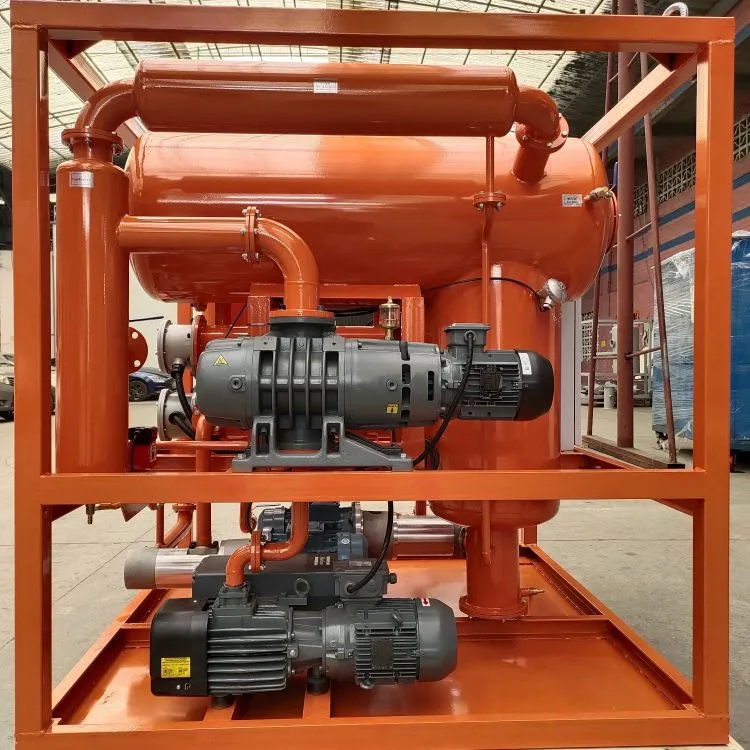
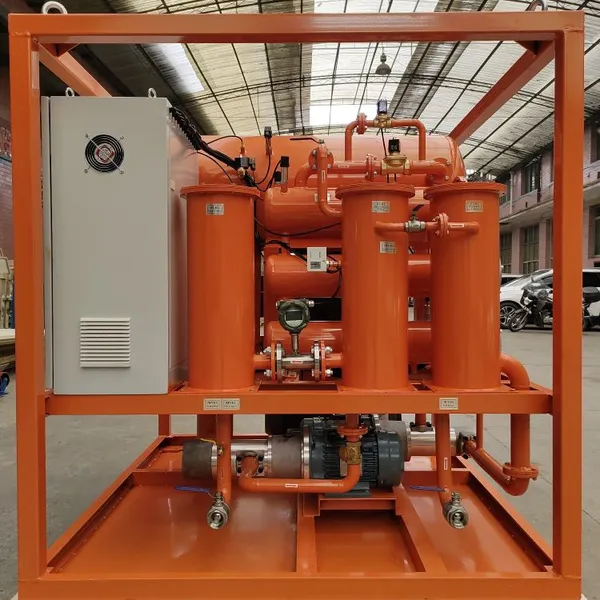
A transformer oil purification machine removes water, dissolved gases, and solid particles from the mineral oil inside transformers. The oil is pumped through a heating section, a vacuum chamber, and a set of fine filters, and then returned to the transformer or a clean holding tank. Each pass strips out more contaminants until the oil's test values meet the target.
The machine treats oil as a renewable asset rather than a disposable one. Instead of discarding contaminated oil and buying fresh stock, the same oil is cleaned and returned to service with much of its original insulating and cooling performance restored. This is both cheaper and faster than a full drain-and-refill.
It is worth distinguishing this machine from a simple filter. A filter removes solid particles, but it cannot touch dissolved water or gas. A transformer oil purification machine uses vacuum to remove all three contaminant types in a single continuous process, which is what makes it the standard tool for transformer maintenance.
2. Why Transformer Oil Needs Purification
Transformer oil degrades over time even inside a sealed tank. Oxygen, heat, and moisture work together to break down the oil and produce acids, sludge, and dissolved gases. Water enters through breathers and gaskets, and the paper insulation releases trapped moisture as the transformer cycles between hot and cold.
The consequences show up first in the oil's electrical properties. Breakdown voltage falls as moisture and particles accumulate, and acidity rises as oxidation progresses. If the oil is left untreated, the acids begin attacking the paper insulation, which is the one component that cannot be economically replaced.
Regular purification interrupts this cycle. By removing water, gas, and particles before they do lasting damage, the machine protects both the oil and the paper it surrounds. A transformer that is kept dry and clean can be expected to run for far longer than one whose oil is allowed to deteriorate unchecked.
3. The Main Types of Transformer Oil Purification Machines
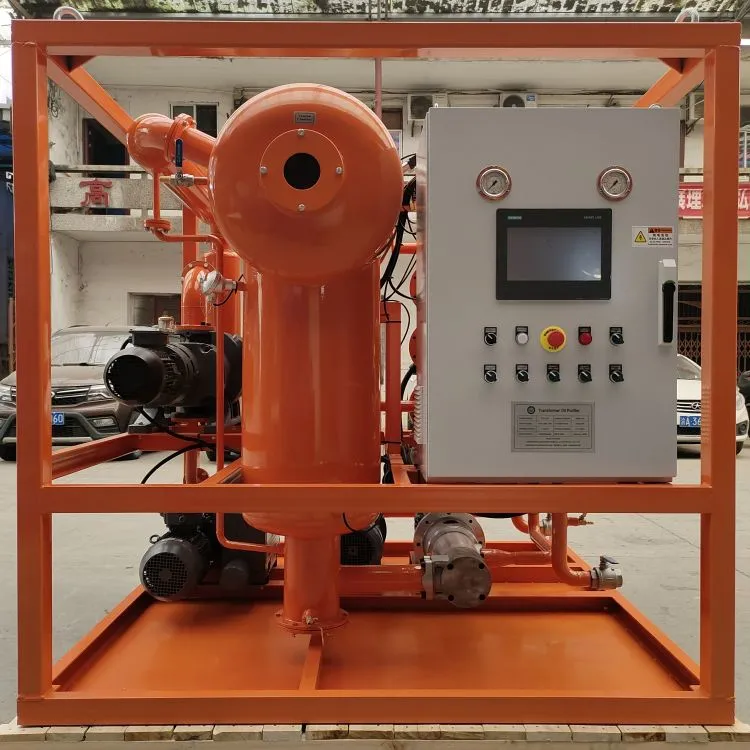
Machines are usually grouped by their vacuum configuration and their intended duty. The most common distinction is between single-stage and double-stage high-vacuum machines. A single-stage unit has one vacuum chamber and handles routine drying well, while a double-stage machine runs the oil through a second, deeper vacuum to reach very low moisture levels demanded by large power transformers.
Beyond vacuum depth, machines differ in mobility and scale. Compact portable units serve field work and small transformers, while larger skid-mounted plants treat bulk oil at depots or major substations. Some machines add a regeneration stage that uses adsorbent media to remove acids and restore color, which extends treatment to oil that is too oxidized for vacuum alone.
The table below summarizes the main categories and where each one fits. A buyer can use it to narrow the field before looking at detailed specifications.
| Machine Type | Key Feature | Typical Duty |
|---|---|---|
| Single-stage vacuum | One vacuum chamber | Routine drying, distribution transformers |
| Double-stage high-vacuum | Second deeper vacuum stage | Large power transformers, strict moisture specs |
| Portable / mobile | Compact, wheeled or skid mounted | Field service, multiple sites |
| Purification + regeneration | Adds adsorbent media stage | Oxidized oil, acid and color removal |
4. Core Components and How They Work Together
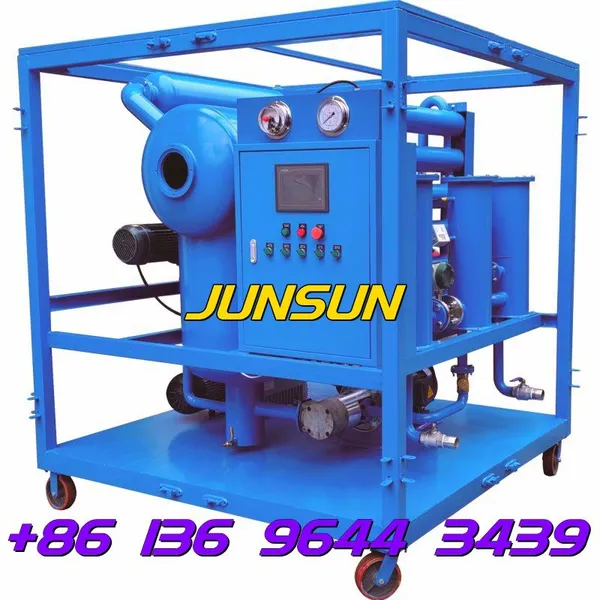
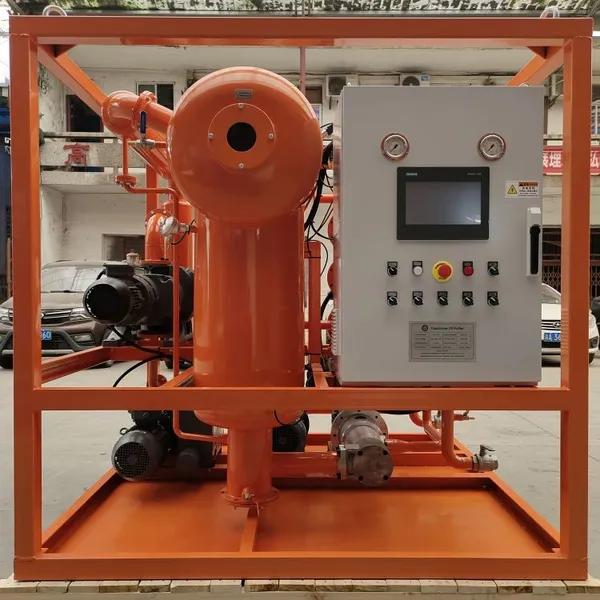
Every transformer oil purification machine is built around a few working sections arranged in a loop. The oil moves through a heater, a vacuum chamber, and filters, driven by feed and discharge pumps, with controls keeping the whole process inside its set points.
The heater warms the oil to a working temperature, typically in the range of 40 to 60 degrees Celsius. This softens the oil and makes water release more easily, while staying low enough to avoid accelerating oxidation. The vacuum chamber is the heart of the machine, holding pressure far below atmospheric so that moisture and dissolved gas flash out of the oil as vapor.
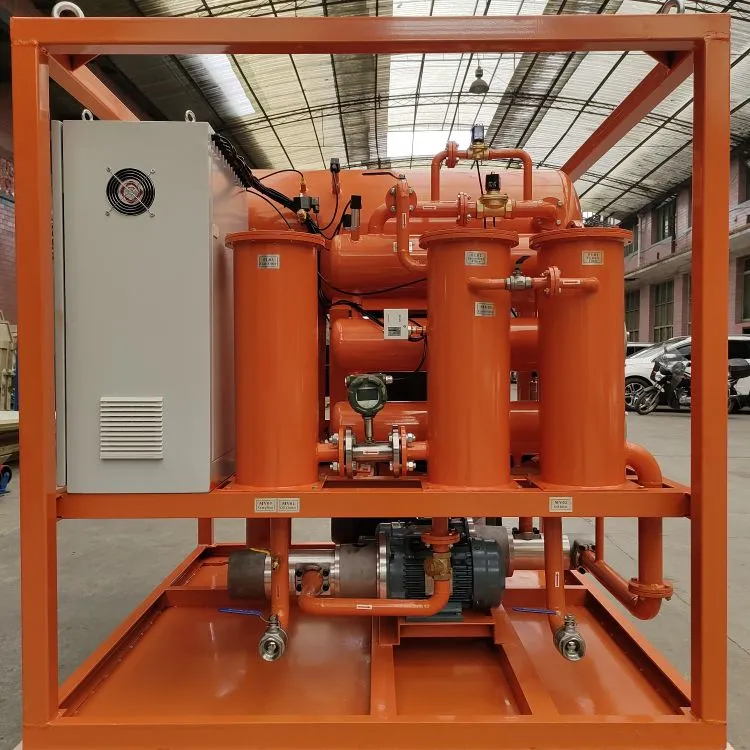
The filter section then catches the remaining solid particles before the oil exits. Multi-stage elements trap fibers, rust, carbon, and wear debris down to fine micron ratings. A control panel regulates temperature, vacuum, and flow, and on many current machines it shuts the unit down safely if a limit is exceeded.
Chongqing Junsun Mechanical & Electrical Co Ltd builds these sections into machines that range from compact portable units to larger treatment plants. The same basic loop appears across the range, which means an operator who learns one machine can run the whole fleet without relearning the fundamentals.
5. Key Specifications to Understand
Flow rate is the first number most buyers look at, and it tells you how quickly the machine can process a given volume of oil. It is usually matched to the largest transformer the buyer expects to treat, with some margin for slower running on difficult jobs. A machine that is too slow forces overtime, while one that is too fast can be harder to hold at the right temperature.
Vacuum depth determines how dry the oil will come out. A deeper vacuum removes more moisture and gas in a single pass, which is why double-stage machines are specified for very low moisture targets. The final moisture level, often expressed in parts per million, is the number an acceptance test will actually hold the machine to.
Breakdown voltage recovery is the other headline result. After treatment, oil that had fallen below 30 kV should recover to well above 55 kV, and the machine's ability to deliver that depends on the completeness of both dehydration and filtration. The table below lists the specifications a buyer should ask about and what each one affects.
| Specification | What It Means | Why It Matters |
|---|---|---|
| Flow rate | Oil volume processed per hour | Sets job duration and machine sizing |
| Vacuum depth | Lowest pressure reached in the chamber | Drives final moisture level |
| Final moisture | Parts per million after a pass | Acceptance criterion for dry oil |
| Filtration rating | Smallest particle size captured | Sets achievable cleanliness class |
| Heating control | Temperature range and stability | Protects oil from thermal damage |
6. How a Treatment Campaign Runs
A typical job begins by connecting the machine to the transformer or a storage tank and priming the system. The operator brings the oil up to temperature, sets the vacuum and flow, and lets the machine circulate. From there it runs continuously while the operator samples periodically to confirm the numbers are improving.
Flow is often reduced on heavily contaminated oil so the fluid spends more time in the vacuum chamber, while lightly contaminated oil can move faster. The run ends when the test values reach the target, not when a fixed clock expires, so time is driven by results rather than a schedule.
Junsun Mechanical & Electrical has supplied these machines across many export markets, and the same operating pattern applies everywhere. The equipment is forgiving of an operator who follows the basics, and the skill transfers cleanly from one machine to the next because the underlying cycle does not change.
During a run, the operator watches a few simple things. Temperature and vacuum should hold at their set points, the filters should be checked for pressure buildup, and oil samples taken at intervals should show moisture and breakdown voltage moving in the right direction. Any drift in temperature or vacuum is usually a signal to pause and check the machine rather than to push through, since running outside the set points can undo the very work the treatment is meant to accomplish.
7. Real-World Examples
A utility in West Africa used a double-stage high-vacuum machine from the Junsun range to commission a batch of new transformers before energizing them. The oil was dried and degassed to single-digit parts per million of moisture, and breakdown voltage tested comfortably above the commissioning requirement. The units went into service with the oil already inside specification.
Not long ago, an industrial site applied a portable machine to a transformer whose oil had absorbed moisture during a humid season. One treatment pass brought the breakdown voltage back above 55 kV and returned the unit to duty. These recoveries are routine when the right machine is available.
8. Choosing and Maintaining Your Machine
Choosing a transformer oil purification machine starts with the oil you actually need to treat. Match the flow rate to your largest transformer, decide how dry the oil must be, and then pick the vacuum depth that delivers it. Buyers who under-size the vacuum and then fail a final test are the most common regret the supplier hears.
Maintenance is straightforward but should not be skipped. Filters are replaced on a schedule, the vacuum pump is serviced, and seals are checked for leaks. A machine that is kept clean and on schedule behaves predictably, which is what a maintenance program needs when it treats dozens of units a season. Junsun designs its purification machines around this simple service model, so routine upkeep rarely needs outside help.
Our team generally advises buyers to size the machine for the hardest job on the horizon rather than the average one. The difference in cost is small next to the value of a transformer, and the margin means the machine will still meet the spec years from now as the fleet ages and the oil needs more work.
9. Frequently Asked Questions
9.1 What is the difference between a transformer oil purification machine and a filter?
A filter removes solid particles alone, while a transformer oil purification machine removes water, dissolved gases, and particles together using heat, vacuum, and filtration. The vacuum stage is the key difference, because dissolved water and gas cannot be filtered out but can be drawn off as vapor under low pressure. For oil that is simply dirty, a filter may be enough, but for oil that is wet or gassy, the full machine is required to restore the dielectric strength properly.
9.2 How do I choose between a single-stage and a double-stage machine?
The decision comes down to how dry the oil must be. A single-stage machine handles routine drying for distribution and industrial transformers, while a double-stage machine reaches a deeper vacuum to hit the very low moisture targets demanded by large power transformers and strict commissioning specifications. If your acceptance criteria call for single-digit parts per million of moisture, the double-stage unit is the safer choice, and the added cost is justified by removing the risk of a failed final test.
9.3 Can a transformer oil purification machine regenerate old oil?
A standard machine purifies oil by removing water, gas, and particles, but it does not remove the acids and sludge that build up from long-term oxidation. To restore heavily oxidized oil, a regeneration stage using adsorbent media is added, which strips acids and improves color. Combined purification and regeneration systems handle oil that is too degraded for vacuum alone. The right choice depends on the oil's acidity, so a laboratory test is the practical first step, and a quick acidity reading is usually enough to settle which machine the job calls for.
9.4 How often should transformer oil be purified?
The frequency depends on the transformer's age, loading, and environment rather than a fixed calendar. A practical approach is to sample the oil regularly and purify when moisture, breakdown voltage, or acidity crosses an agreed limit, which may mean every few years for some units and more often for others. Some programs treat transformers on a fixed cycle of five to seven years as a fallback. Condition-based treatment tied to test results usually gives the most practical balance of cost and protection.
Recently Posted
-
How Substations Use Insulating Oil Purifiers to Extend Transformer Life
August 27, 2026A distribution substation near a river delta once logged a routine oil sample that came back worse than expected. The breakdown vo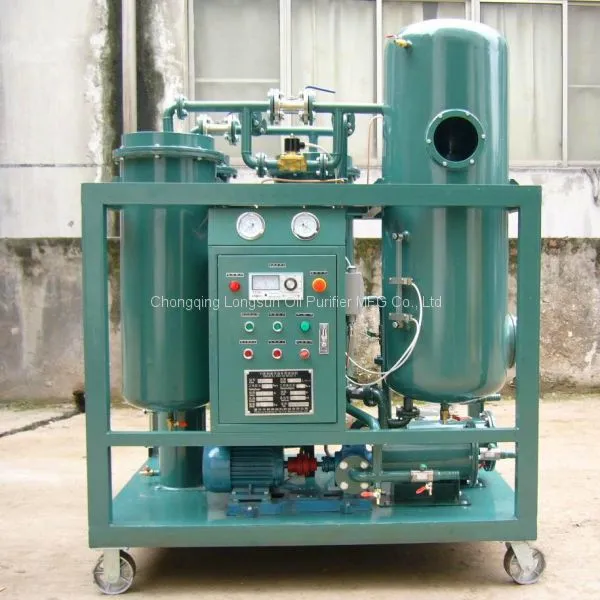 Read More
 -
Insulating Oil vs Transformer Oil vs Dielectric Oil: Terminology Explained
August 26, 2026A procurement engineer once spent a frustrating week chasing a specification written by two different departments. One referred to Read More
 -
Quality Control in Oil Purifier Manufacturing: From Raw Materials to Final Testing
August 25, 2026A buyer once took delivery of a vacuum oil purifier that looked impressive on the outside but could not hold vacuum on the inside.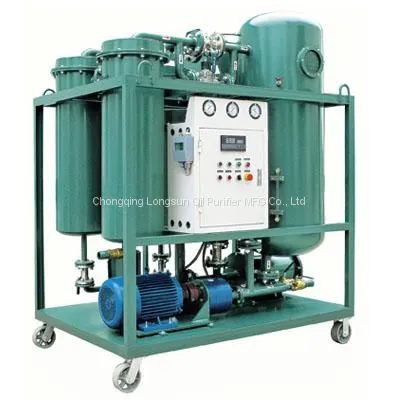 Read More
 -
Transformer Oil Purification in Power Plants: A Maintenance Perspective
August 21, 2026A combined-cycle plant in Southeast Asia ran a 120 MVA step-up transformer for years without a single oil treatment cycle. Routine Read More

Contact Us
Recommended Products
-
 Highly Automated Transformer Oil Filtration Plant For Insulating Oil TreatmentNegotiableMOQ: 1 Set
 -
CJME 100KV Automatic Insulation Oil Dielectric Strength Tester for BDV TestingNegotiableMOQ: 1 Set
-
JUNSUN 80KV Transformer Oil Dielectric Strength Tester Rigidez Dielectrica TestingNegotiableMOQ: 1 Set
-
JCDY-023 Transformer Oil Breakdown Voltage Tester IEC 60156 Oil BDV TesterNegotiableMOQ: 1 Set
-
DP70B Handheld Dew Point Meter for Compressed Air Dryer SystemsNegotiableMOQ: 1 Set

-
Two-Stage Vacuum 100 L/min Oil Processor for Transformer Oil PurificationNegotiableMOQ: 1 Set
-
JUNSUN 12000 LPH Thermal Vacuum Transformer Oil Treatment Machine For Oil PurificationNegotiableMOQ: 1 Set
-
Transformer Oil Purification Machine 6000 Liters Per Hour With Double Stage High Vacuum SystemNegotiableMOQ: 1 Set
-
Junsun Mi550 Handheld Three Phase Power Quality AnalyzerUS$ 750 - 1500MOQ: 1 Set
-
80KV & 100KV Transformer Oil Breakdown Voltage/ Dielectric Strength/ BDV TesterUS$ 850 - 1999MOQ: 1 Set

-
Automatic PMCC Pensky-Martens Closed Cup Flash Point TesterUS$ 1999 - 2999MOQ: 1 Set
-
KKSD-3011 Series Automatic Cleveland Open Cup Flash Point TesterUS$ 1999 - 2999MOQ: 1 Set
-
Automatic Oil Acid Number Tester, Transformer Oil Acid Value Test KitUS$ 999 - 3999MOQ: 1 Set
-
Superior Quality and Competitive Price Volumetric & Coulometric Karl Fischer TitratorUS$ 1599 - 3999MOQ: 1 Set
-
Best Quality Volumetric Karl Fischer Moisture Titrator, Coulometric Karl Fischer Titration Test KitUS$ 999 - 9999MOQ: 1 Set


-
GKF Series High Quality Fully Automatic Dry Air GeneratorUS$ 4999 - 19999MOQ: 1 Set
-
PLC Controlled Vacuum Pump Set for Transformer Oil Filling and Paper DryingUS$ 4999 - 19999MOQ: 1 Set
-
50KV 100KV 200KV Oil-Immersed/Dry Type Testing Transformer AC DC Withstand High Voltage Hipot TesterUS$ 999 - 9999MOQ: 1 Set
-
High Reliability JS3045 Series Digital Insulation Resistance Megohm MeterUS$ 499 - 999MOQ: 1 Set
-
Portable Type Partial Discharge (PD) Testing Equipment for Switchgear/ Transformer/ GIS/ CableUS$ 2999 - 4999MOQ: 1 Set