
 Business License

Insulating Oil vs Transformer Oil vs Dielectric Oil: Terminology Explained
A procurement engineer once spent a frustrating week chasing a specification written by two different departments. One referred to insulating oil, another to transformer oil, and a third supplier quoted dielectric fluid for the same transformer. The engineer suspected all three were the same thing, but the wording was just different enough to leave room for doubt before committing to a purchase.
That doubt is common, because these three terms overlap heavily and are often used as if they were interchangeable. This article untangles them, explains where each term comes from, and shows when the difference is real and when it is simply a matter of wording. For most buyers the answer is simpler than it first appears.
1. Why These Three Terms Cause Confusion
The confusion starts because a single product can be described from several angles at once. The same mineral oil inside a transformer can be called insulating oil because it insulates, transformer oil because it lives in a transformer, and dielectric oil because it resists electrical breakdown. All three descriptions are true of the same liquid.
The problem is that each term leads a reader toward a slightly different mental picture. Insulating oil sounds generic, transformer oil sounds application-specific, and dielectric oil sounds like a performance specification. In practice, suppliers, standards bodies, and maintenance teams each favor one term, so a buyer moving between them can feel like they are comparing different products.
The good news is that, for mineral oil used in electrical equipment, the underlying substance is essentially the same. The differences are mostly about emphasis, scope, and occasionally the specific fluid chemistry involved, which the sections below lay out one term at a time.
2. What Insulating Oil Means
Insulating oil is the broadest and most functional of the three terms. It names the liquid by its job, which is to insulate the live parts of electrical equipment from each other and from ground. Any oil that serves this purpose inside transformers, circuit breakers, switchgear, or bushings can be described as insulating oil.
Because the term is defined by function, it is the natural choice when the conversation is about equipment protection rather than a specific machine. Maintenance documents, failure analyses, and general standards language often use insulating oil for this reason. The term does not by itself specify the oil's chemistry, which is where some of the later nuance enters.
In everyday use, however, insulating oil almost always means mineral oil derived from petroleum. Synthetic liquids such as esters and silicone are usually called by their own names, so when someone says insulating oil without qualification, mineral oil is the safe assumption.
3. What Transformer Oil Means
Transformer oil names the same liquid by its primary application rather than its function. It is insulating oil that is used specifically in transformers, where it must both insulate and cool the windings and core. The term is favored by power utilities, transformer manufacturers, and maintenance contractors because it ties the oil directly to the asset they care about.
What makes transformer oil distinct in practice is the set of requirements that transformers impose. The oil must hold its dielectric strength over decades, resist oxidation in a hot, energized environment, and stay free of the moisture and gases that would otherwise degrade performance. Standards written for transformer oil, such as IEC 60296 and ASTM D3487, encode exactly these expectations.
So transformer oil is not a different substance from insulating oil. It is insulating oil held to the particular standards and duties of transformer service. The label matters because it signals which specifications apply, not because the chemistry is different.
4. What Dielectric Oil Means
Dielectric oil is the term most tied to electrical performance. A dielectric is a material that does not readily conduct current and can support an electric field, so dielectric oil is oil selected for its ability to withstand voltage without breaking down. The term is common in laboratory, standards, and engineering contexts where the focus is on measurable electrical properties.
Here is where the terminology widens slightly. While insulating oil and transformer oil almost always refer to mineral oil, dielectric fluid can be a broader category that also includes synthetic ester liquids and silicone fluids used in specialty or high-temperature equipment. In that technical sense, dielectric fluid is the umbrella, and mineral insulating oil is one member of it.
In common industry usage, though, the two are treated as near synonyms. When a supplier or a specification says dielectric oil in the context of a standard power transformer, they mean the same mineral oil the other two terms describe. The broader meaning matters when the equipment is specialized enough to require a synthetic fluid, and not before.
5. Are They the Same Oil?
For the mineral oil used in standard transformers, the answer is yes, with the caveat that each term highlights a different facet. Insulating oil emphasizes function, transformer oil emphasizes application, and dielectric oil emphasizes electrical performance. The table below lines the three up side by side so the relationship is easy to scan.
| Term | What It Emphasizes | Typical User | Scope |
|---|---|---|---|
| Insulating oil | Function: electrical insulation | Maintenance, general engineering | Any oil-filled electrical equipment |
| Transformer oil | Application: transformer service | Utilities, transformer makers | Transformers specifically |
| Dielectric oil / fluid | Performance: withstands voltage | Standards, labs, engineers | Mineral oil, plus synthetic fluids in some cases |
The practical takeaway is that a buyer does not need three separate products. A transformer oil purification machine, an insulating oil purifier, and equipment sold for dielectric oil treatment are, for standard mineral oil, addressing the same liquid and the same contaminants. The wording changes, but the target does not.
Chongqing Junsun Mechanical & Electrical Co Ltd builds purification equipment that handles this oil across all three names, and the machine does not care which label the specification uses. Water, gas, and particles are removed the same way regardless of whether the document calls the liquid insulating oil, transformer oil, or dielectric oil.
Beneath the naming sits the oil chemistry, and mineral insulating oil itself comes in two main families. Naphthenic oils flow well at low temperature and oxidize slowly, which is why they dominate transformer service, while paraffinic formulations trade some of that cold-weather behavior for other properties. The distinction is a matter for specifications and standards rather than for everyday terminology, since all three names can point to either family depending on the supplier and the region.
6. When the Differences Actually Matter
The terminology starts to matter when a synthetic fluid enters the picture. Ester-based liquids, both natural and synthetic, and silicone fluids are genuinely different chemistries with different handling, temperature limits, and compatibility requirements. Equipment sized and sealed for mineral oil is not automatically suitable for these fluids, so a specification that says dielectric fluid deserves a closer look.
The differences also matter around standards. A document citing IEC 60296 or ASTM D3487 is pointing at mineral insulating oil, while a specification for ester fluids references different standards altogether. Knowing which term is in play helps a buyer ask the right question about chemistry before ordering equipment or replacement oil.
For the vast majority of transformers in service, none of this changes the everyday reality. The oil is mineral, the treatment is vacuum purification, and the three terms are interchangeable in practice. The distinction becomes significant mainly at the edges of the equipment landscape.
Synthetic fluids show up where mineral oil falls short. Wind turbines sometimes favor ester fluids for their fire safety and biodegradability, and some indoor or environmentally sensitive installations choose them to reduce fire or spill risk. In those cases the phrase dielectric fluid is doing real work, signalling a chemistry decision that affects seals, pumps, gaskets, and even the purification equipment itself. This is the main reason a buyer should confirm the fluid chemistry whenever the terminology is unclear, because treating a wrong assumption as settled can lead to machinery that is not actually compatible.
7. Choosing the Right Terminology for Your Search
Because different suppliers and documents favor different terms, a buyer searching for equipment does well to try all three. An insulating oil purifier, a transformer oil purification machine, and dielectric oil treatment equipment will surface overlapping but not identical results, and the most suitable match often appears under a term the buyer did not think to use first. Chongqing Junsun Mechanical & Electrical Co Ltd encounters all three labels in its export orders, and the machines cover every one of them.
For a transformer specifically, transformer oil purification machine is usually the most precise phrase, since it matches the asset and the standards that apply to it. For broader electrical fleets that include breakers and bushings, insulating oil purifier casts a wider net. Dielectric oil treatment equipment is useful when the requirement is framed around electrical performance or when a synthetic fluid might be involved.
Junsun Mechanical & Electrical sees this language variation constantly across export inquiries, and the same machines routinely satisfy all three descriptions. A buyer who understands the terminology can search more efficiently and recognize when a supplier is quoting the same underlying product under a different name.
8. Real-World Examples
A distributor once approached the Junsun team with two customer quotes that looked different on paper but were identical in substance. One asked for insulating oil purifiers and the other for transformer oil purification machines, and after clarifying the transformer voltage and oil volume, the same double-stage high-vacuum unit satisfied both. The single adjustment was the wording on the quotation.
In another case, an engineering firm specified dielectric fluid treatment and assumed a synthetic oil was involved. A short conversation confirmed the equipment ran standard mineral oil, and the specification was simply written from a performance point of view. Clearing up the terminology saved the customer from ordering unnecessarily specialized machinery.
9. Frequently Asked Questions
9.1 Are insulating oil, transformer oil, and dielectric oil the same thing?
For the mineral oil used in standard transformers, they are essentially the same liquid described from three angles, with insulating oil emphasizing function, transformer oil emphasizing application, and dielectric oil emphasizing electrical performance. A single machine treats all three because the contaminants and the vacuum process are identical. The one place the terms diverge is when dielectric fluid is used to mean a synthetic liquid such as an ester or silicone, which is a genuinely different chemistry with different handling requirements.
9.2 Does the oil's name change which purification machine I need?
No, because the machine targets the contaminants rather than the label. Water, dissolved gas, and solid particles are removed by the same heat, vacuum, and filtration process whether the document calls the liquid insulating oil, transformer oil, or dielectric oil. What matters for machine selection is the oil volume, the required moisture level, and whether a synthetic fluid with special compatibility needs is involved. For standard mineral oil, one machine covers all the terminology, and the selection question narrows to oil volume and moisture target rather than to the words on the specification.
9.3 When should I worry that a specification means a synthetic dielectric fluid?
A specification deserves a closer look when it cites standards for ester or silicone fluids rather than the mineral oil standards IEC 60296 or ASTM D3487, or when the equipment runs at temperatures or fire-safety levels that mineral oil cannot meet. Synthetic fluids need their own material compatibility, and machinery sealed for mineral oil is not automatically suitable. When in doubt, ask the supplier to confirm the fluid chemistry in writing before ordering, because a one-line answer is far cheaper than ordering machinery that turns out to be incompatible.
9.4 Which term should I use when searching for equipment?
For a transformer, transformer oil purification machine is the most precise phrase because it matches both the asset and the relevant standards. For a broader electrical fleet, insulating oil purifier casts a wider net, and dielectric oil treatment equipment works when the requirement is framed around electrical performance. Trying all three is worthwhile, because suppliers and documents favor different terms and the same machine will often appear under more than one of them, so casting a wider net costs nothing and catches the most relevant result.
Recently Posted
-
How Substations Use Insulating Oil Purifiers to Extend Transformer Life
August 27, 2026A distribution substation near a river delta once logged a routine oil sample that came back worse than expected. The breakdown vo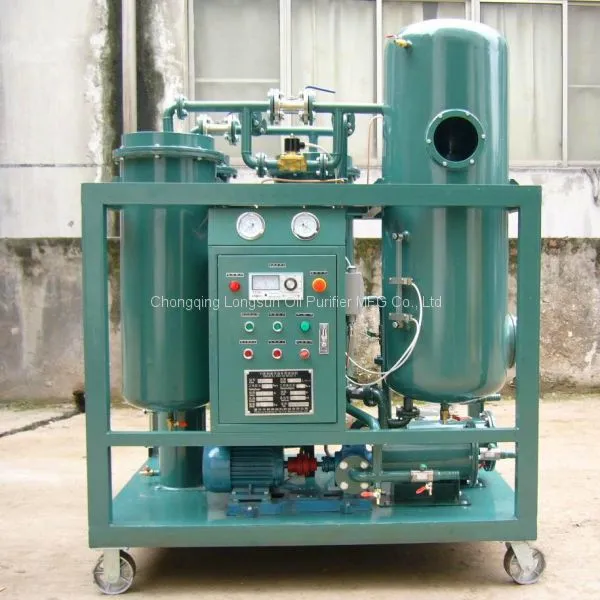 Read More
 -
What Is a Transformer Oil Purification Machine? A Complete Guide
August 25, 2026A plant manager once faced a transformer that had been running for years without attention, and the oil sample that came back from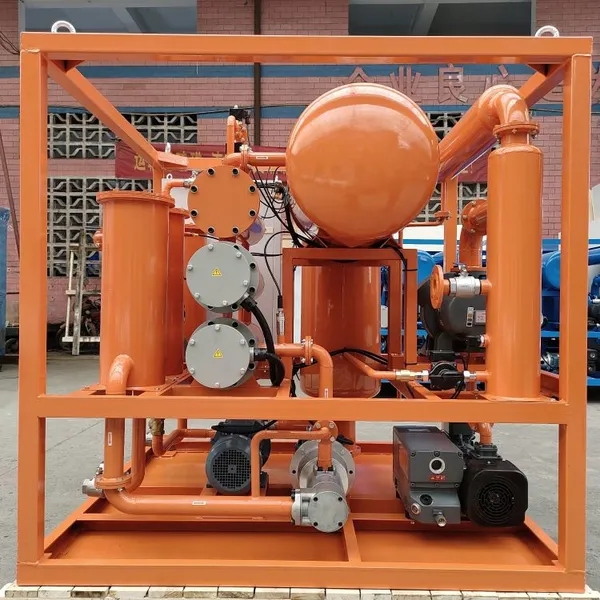 Read More
 -
Quality Control in Oil Purifier Manufacturing: From Raw Materials to Final Testing
August 25, 2026A buyer once took delivery of a vacuum oil purifier that looked impressive on the outside but could not hold vacuum on the inside.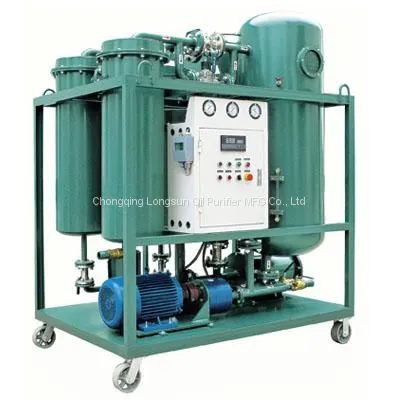 Read More
 -
Transformer Oil Purification in Power Plants: A Maintenance Perspective
August 21, 2026A combined-cycle plant in Southeast Asia ran a 120 MVA step-up transformer for years without a single oil treatment cycle. Routine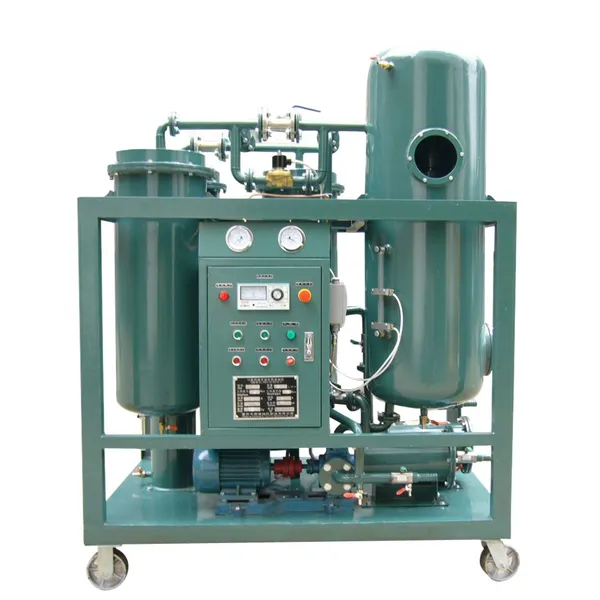 Read More

Contact Us
Recommended Products
-
 Highly Automated Transformer Oil Filtration Plant For Insulating Oil TreatmentNegotiableMOQ: 1 Set
 -
CJME 100KV Automatic Insulation Oil Dielectric Strength Tester for BDV TestingNegotiableMOQ: 1 Set
-
JUNSUN 80KV Transformer Oil Dielectric Strength Tester Rigidez Dielectrica TestingNegotiableMOQ: 1 Set
-
JCDY-023 Transformer Oil Breakdown Voltage Tester IEC 60156 Oil BDV TesterNegotiableMOQ: 1 Set
-
DP70B Handheld Dew Point Meter for Compressed Air Dryer SystemsNegotiableMOQ: 1 Set

-
Two-Stage Vacuum 100 L/min Oil Processor for Transformer Oil PurificationNegotiableMOQ: 1 Set
-
JUNSUN 12000 LPH Thermal Vacuum Transformer Oil Treatment Machine For Oil PurificationNegotiableMOQ: 1 Set
-
Transformer Oil Purification Machine 6000 Liters Per Hour With Double Stage High Vacuum SystemNegotiableMOQ: 1 Set
-
Junsun Mi550 Handheld Three Phase Power Quality AnalyzerUS$ 750 - 1500MOQ: 1 Set
-
80KV & 100KV Transformer Oil Breakdown Voltage/ Dielectric Strength/ BDV TesterUS$ 850 - 1999MOQ: 1 Set

-
Automatic PMCC Pensky-Martens Closed Cup Flash Point TesterUS$ 1999 - 2999MOQ: 1 Set
-
KKSD-3011 Series Automatic Cleveland Open Cup Flash Point TesterUS$ 1999 - 2999MOQ: 1 Set
-
Automatic Oil Acid Number Tester, Transformer Oil Acid Value Test KitUS$ 999 - 3999MOQ: 1 Set
-
Superior Quality and Competitive Price Volumetric & Coulometric Karl Fischer TitratorUS$ 1599 - 3999MOQ: 1 Set
-
Best Quality Volumetric Karl Fischer Moisture Titrator, Coulometric Karl Fischer Titration Test KitUS$ 999 - 9999MOQ: 1 Set



-
GKF Series High Quality Fully Automatic Dry Air GeneratorUS$ 4999 - 19999MOQ: 1 Set
-
PLC Controlled Vacuum Pump Set for Transformer Oil Filling and Paper DryingUS$ 4999 - 19999MOQ: 1 Set
-
50KV 100KV 200KV Oil-Immersed/Dry Type Testing Transformer AC DC Withstand High Voltage Hipot TesterUS$ 999 - 9999MOQ: 1 Set
-
High Reliability JS3045 Series Digital Insulation Resistance Megohm MeterUS$ 499 - 999MOQ: 1 Set
-
Portable Type Partial Discharge (PD) Testing Equipment for Switchgear/ Transformer/ GIS/ CableUS$ 2999 - 4999MOQ: 1 Set