
 Business License

How Substations Use Insulating Oil Purifiers to Extend Transformer Life
A distribution substation near a river delta once logged a routine oil sample that came back worse than expected. The breakdown voltage of a 33 kV transformer's oil had slipped from a healthy 58 kV to just over 24 kV, and the moisture reading had climbed into the high double digits in parts per million. The unit had not failed, but the oil meant to protect it had quietly lost most of its margin.
That single test result set off a chain of decisions about whether to replace the oil, treat it in place, or wait for the next scheduled outage. For a substation team, this is exactly the moment when an insulating oil purifier stops being a catalog item and becomes the difference between a controlled fix and an unplanned failure. This article explains how substations use these machines to protect transformer oil and, by extension, extend the working life of the transformers themselves.
1. Why Transformer Oil Is the Lifeblood of a Substation
A power transformer is a long-term capital asset, often expected to run for three or four decades. The mineral oil inside it does two jobs at once. It cools the windings and core by carrying heat away to the radiators, and it insulates the live parts by filling every gap with a material that resists electrical breakdown.
That insulation role is where the risk concentrates. If the oil's dielectric strength falls far enough, a fault inside the tank can escalate from a small partial discharge into a full winding failure. Substations therefore treat oil condition as an early indicator of transformer health rather than a maintenance afterthought.
Oil also carries diagnostic information. Dissolved gas analysis reads the gases that form when insulation overheats or arcs, giving an early warning of problems that are invisible from the outside. Keeping the oil clean and dry makes those readings meaningful, since new fault gases are no longer buried under years of accumulated contamination.
2. The Contaminants Substations Battle Most Often
Substation oil degrades from three directions at once. Water is usually the most aggressive, entering through breathers, gaskets, and the paper insulation itself as it releases trapped moisture through heating and cooling cycles. Even a small rise in moisture cuts the breakdown voltage sharply because water conducts far better than clean oil.
Solid particles are the second threat. Fibers, rust, carbon, and wear debris suspended in the oil can align under the electric field and form a weak point where a partial discharge starts. The finer the particle, the harder it is to see and the easier it is to ignore until a test flags it.
Dissolved gases and oxidation products round out the list. Oxygen slowly attacks the oil's molecules, producing acids and sludge that then damage the paper insulation, which is the one component that cannot be economically replaced. The table below summarizes what each contaminant does and how purification addresses it.
| Contaminant | Where It Comes From | Main Risk | How Purification Handles It |
|---|---|---|---|
| Water | Breathers, gaskets, paper insulation | Cuts breakdown voltage sharply | Vacuum dehydration |
| Solid particles | Wear, rust, fibers, carbon | Starts partial discharges | Multi-stage fine filtration |
| Dissolved gases | Oxidation and fault events | Accelerates aging, obscures DGA | Vacuum degassing |
| Acids and sludge | Long-term oxidation | Attacks paper insulation | Regeneration stage where needed |
3. How Insulating Oil Purifiers Fit Into Substation Maintenance
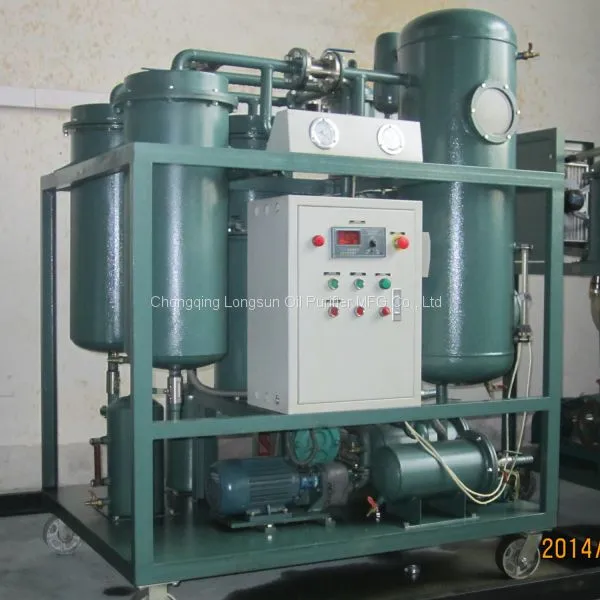
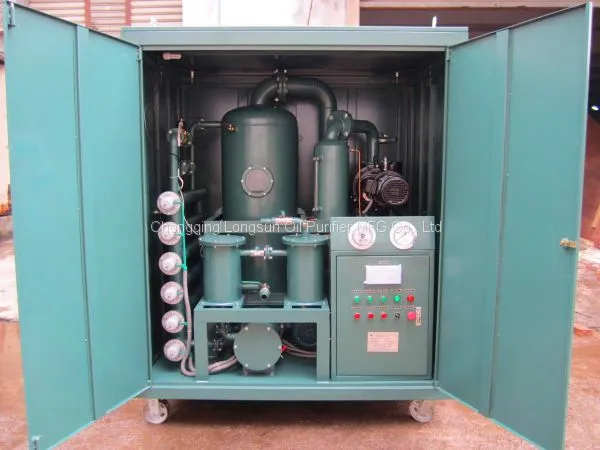
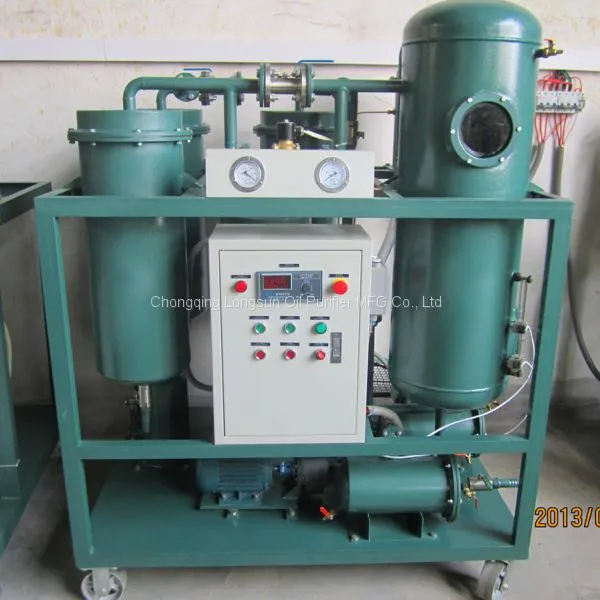
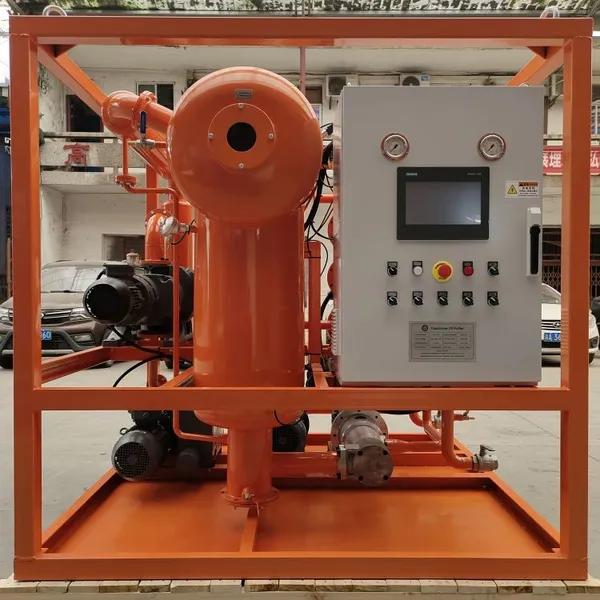
An insulating oil purifier removes water, gas, and particles from transformer oil in a single continuous loop. The oil is warmed, drawn through a vacuum chamber where moisture and gas flash out as vapor, and then passed through fine filters before returning to the transformer or a holding tank. The machine runs until the oil's test values reach the target.
In a substation, this equipment is used in a few distinct ways. Some utilities keep a portable unit on hand to treat individual transformers during outages, while others run online systems that purify oil continuously on the most critical units. Still others schedule a service contractor to bring a larger machine to the site for a major treatment campaign.
The appeal is straightforward economics. Treating oil costs a fraction of draining and replacing it, and it avoids the risk and logistics of moving large volumes of new oil into a substation. The same oil, cleaned back to specification, can return to service with much of its original performance restored.
Chongqing Junsun Mechanical & Electrical Co Ltd supplies this equipment in sizes that fit both approaches, from compact portable purifiers a crew can wheel up to a transformer to larger skid-mounted plants for bulk treatment. The underlying cycle stays the same, which keeps training simple across a fleet.
4. Scheduled Versus Condition-Based Purification
Substations generally choose between two philosophies for when to purify oil. The traditional approach is calendar-based, treating every transformer on a fixed cycle such as every five or seven years regardless of what the oil tests show. This is predictable and easy to budget, but it sometimes treats oil that is still healthy and misses oil that degraded early. Junsun supports both approaches with machines sized from portable units to larger plants, so the equipment can match whichever schedule a utility prefers.
The condition-based approach uses laboratory results to decide when treatment is actually needed. Moisture content, breakdown voltage, acidity, and dissolved gas levels are tracked over time, and purification is triggered when a reading crosses an agreed limit. This targets resources where the risk is real rather than spreading them evenly.
Many substations now blend the two. They run routine sampling on everything, apply calendar-based treatment to the units that are expensive or difficult to reach, and reserve condition-based action for the transformers that show an early warning sign. The table below compares the two approaches against the main decision factors.
| Factor | Scheduled (Calendar-Based) | Condition-Based |
|---|---|---|
| Trigger | Fixed time interval | Oil test result crossing a limit |
| Budgeting | Predictable and even | Varies with asset condition |
| Risk of treating healthy oil | Higher | Lower |
| Risk of missing early degradation | Possible | Caught by sampling |
| Suitable for | Critical or hard-to-reach units | Fleet with good monitoring |
5. Extending Transformer Life: What the Numbers Show
The connection between oil condition and transformer life is well documented in the industry. Moisture is the clearest link. A transformer whose paper insulation stays dry can be expected to last far longer than one running with elevated moisture, because water in the paper accelerates its mechanical and electrical aging in a roughly exponential way.
Purification extends that life by removing the water from the oil, which in turn draws moisture back out of the paper. This drying effect is gradual rather than instant, but every percentage point of moisture removed from the insulation translates into meaningful extra years of service. The same logic applies to acids, which attack paper, and to particles, which trigger partial discharges.
The cost argument is equally direct. Replacing a large power transformer is a multi-year, high-budget undertaking, while a purification campaign is measured in days and a modest equipment cost. Spending a small amount on oil treatment to push a failure ten years down the road is one of the clearest returns a substation can capture.
Junsun Mechanical & Electrical has seen this pattern repeat across many export markets, where utilities treat oil as a renewal rather than a consumable. The machines do not change the physics of aging, but they remove the contaminants that accelerate it, and that is where the extra life comes from.
6. On-Site Treatment Versus Off-Site Servicing
A substation can purify oil either in place or by sending it away. On-site treatment connects a purifier directly to the transformer and circulates the oil through it without draining the tank. This keeps the transformer in its bay and minimizes handling, which is usually the preferred choice for large or difficult-to-move units.
Off-site servicing drains the oil into a tanker or drums and treats it at a dedicated facility before returning it. This can make sense for small transformers or for oil that needs a regeneration stage, but it adds transport, contamination risk, and the extra step of refilling and re-commissioning the unit.
The choice often comes down to access and volume. A transformer in a cramped urban substation with poor crane access is a strong candidate for on-site work, while a small fleet of identical distribution units can be serviced more efficiently by batching the oil. On-site treatment with a portable insulating oil purifier is generally the most common path in substation practice.
7. Real-World Substation Examples
A regional utility in Southeast Asia used a portable purifier from the Junsun range to treat the oil in a batch of aging distribution transformers spread across several substations. Moisture was reduced from the high double digits to single-digit parts per million, and breakdown voltage recovered from the mid-20s to above 55 kV in a single pass. The units returned to service with test values back inside the utility's acceptance limits.
In a separate case, a substation team treated stored spare oil that had absorbed moisture during a humid season. One cycle through a compact machine brought it back to specification, ready for the next emergency refill. Recoveries like these are what the equipment delivers routinely when it is kept on hand.
8. Building a Purification Routine That Sticks
The substations that get the most from purification are the ones that make it a standing practice rather than a panic response. They sample every transformer on a regular schedule, record the trends, and keep a purifier available so a bad result can be acted on within days instead of waiting for the next outage window.
Training matters as much as the equipment. A crew that knows how to connect the machine, set the flow and temperature, and read the results can run a campaign without outside help. Portable units that behave the same from one transformer to the next make that skill transfer easily across the fleet.
Our team often advises substation customers to start with the transformer that has the worst oil, use the result as a baseline, and then work through the fleet by condition. This concentrates effort where the risk is highest and builds confidence in the method before it is applied broadly. The goal is a routine where oil condition is always known and always trending in the right direction.
9. Frequently Asked Questions
9.1 How often should a substation purify its transformer oil?
There is no single correct interval, because the right frequency depends on the transformer's age, loading, and environment. A common practice is to sample oil annually and purify when moisture, breakdown voltage, or acidity crosses an agreed limit, which may mean every few years for some units and more often for others. Calendar-based programs often treat transformers every five to seven years as a fallback. Blending routine sampling with condition-based treatment usually gives the most practical balance of cost and protection.
9.2 Can an insulating oil purifier be used on a live transformer?
Portable offline purifiers are used with the transformer de-energized and isolated, which is the safest and most common approach during a planned outage. For transformers that cannot be taken offline, online purification systems circulate a portion of the oil through a dedicated treatment loop while the unit stays energized, which suits critical assets that need continuous moisture control. The right choice depends on access and operating constraints rather than on the quality of the result, since both use the same vacuum principle.
9.3 How much can purification extend a transformer's life?
The exact gain varies with the asset and its history, so no honest supplier can promise a specific number of years. What purification does reliably is remove the water, acids, and particles that accelerate insulation aging, which translates into extra service life that scales with how early and how often treatment is applied. Keeping paper insulation dry is the single highest-leverage action, since moisture in paper is the main driver of its aging. The return is measured in avoided early replacement rather than a fixed extension figure.
9.4 What results should a substation expect after a purification pass?
A well-run pass should bring moisture down to low parts per million and lift breakdown voltage well above the minimum operating floor, often recovering from the mid-20s to above 55 kV on oil that was degraded but not oxidized beyond recovery. Solids are reduced by several cleanliness classes, and dissolved gases are stripped out, which resets the baseline for future dissolved gas analysis. The exact figures depend on the starting condition and the machine's vacuum depth, so the result should always be confirmed by a fresh laboratory test.
Recently Posted
-
Insulating Oil vs Transformer Oil vs Dielectric Oil: Terminology Explained
August 26, 2026A procurement engineer once spent a frustrating week chasing a specification written by two different departments. One referred to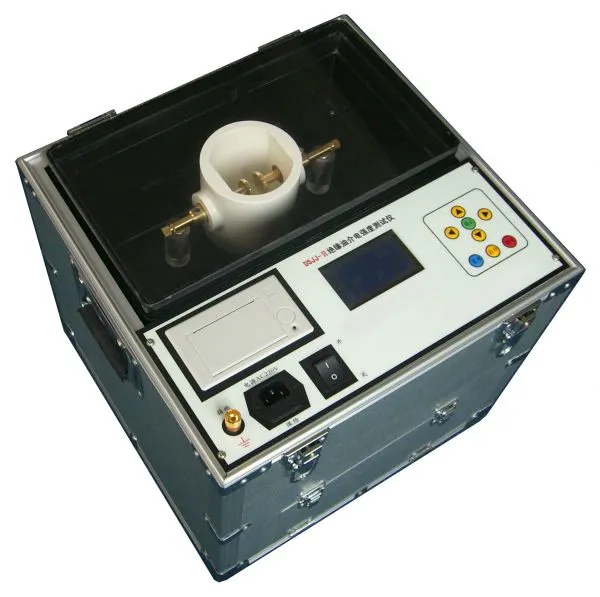 Read More
 -
What Is a Transformer Oil Purification Machine? A Complete Guide
August 25, 2026A plant manager once faced a transformer that had been running for years without attention, and the oil sample that came back from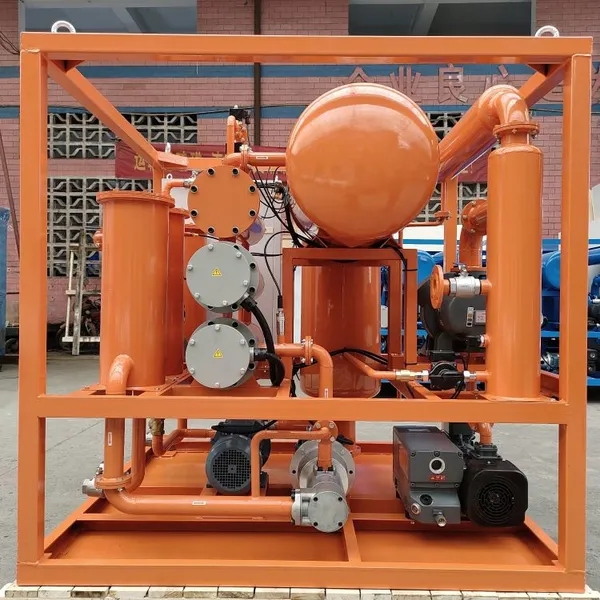 Read More
 -
Quality Control in Oil Purifier Manufacturing: From Raw Materials to Final Testing
August 25, 2026A buyer once took delivery of a vacuum oil purifier that looked impressive on the outside but could not hold vacuum on the inside.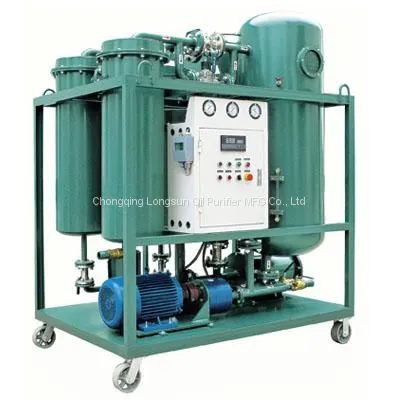 Read More
 -
Transformer Oil Purification in Power Plants: A Maintenance Perspective
August 21, 2026A combined-cycle plant in Southeast Asia ran a 120 MVA step-up transformer for years without a single oil treatment cycle. Routine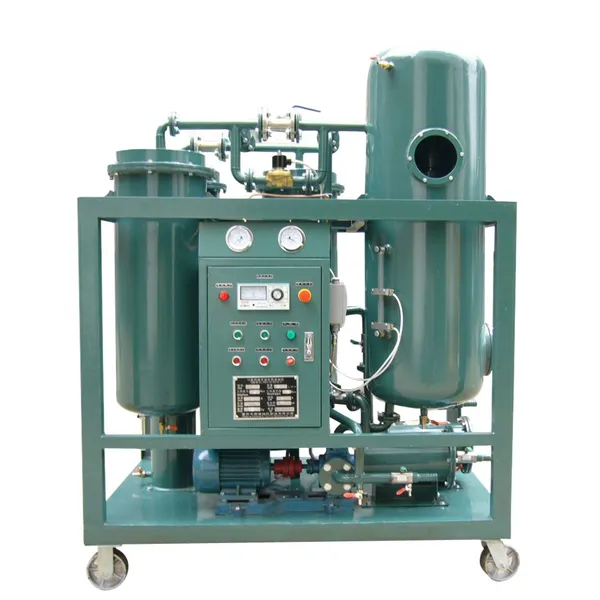 Read More

Contact Us
Recommended Products
-
 Highly Automated Transformer Oil Filtration Plant For Insulating Oil TreatmentNegotiableMOQ: 1 Set
 -
CJME 100KV Automatic Insulation Oil Dielectric Strength Tester for BDV TestingNegotiableMOQ: 1 Set
-
JUNSUN 80KV Transformer Oil Dielectric Strength Tester Rigidez Dielectrica TestingNegotiableMOQ: 1 Set
-
JCDY-023 Transformer Oil Breakdown Voltage Tester IEC 60156 Oil BDV TesterNegotiableMOQ: 1 Set
-
DP70B Handheld Dew Point Meter for Compressed Air Dryer SystemsNegotiableMOQ: 1 Set

-
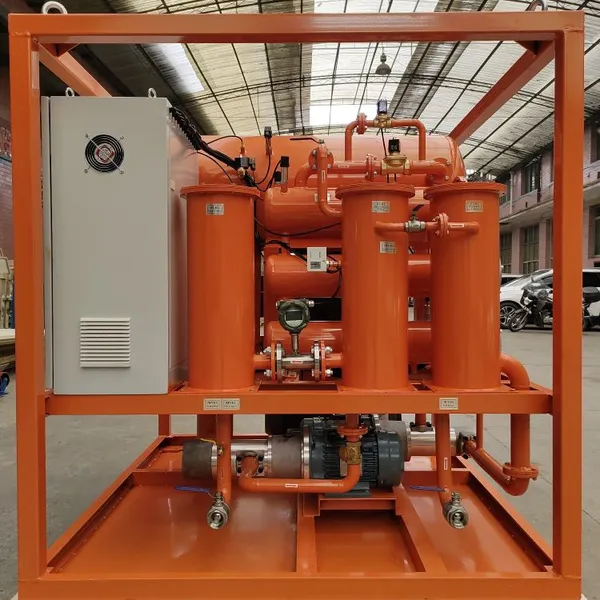
Two-Stage Vacuum 100 L/min Oil Processor for Transformer Oil PurificationNegotiableMOQ: 1 Set
-
JUNSUN 12000 LPH Thermal Vacuum Transformer Oil Treatment Machine For Oil PurificationNegotiableMOQ: 1 Set
-
Transformer Oil Purification Machine 6000 Liters Per Hour With Double Stage High Vacuum SystemNegotiableMOQ: 1 Set
-
Junsun Mi550 Handheld Three Phase Power Quality AnalyzerUS$ 750 - 1500MOQ: 1 Set
-
80KV & 100KV Transformer Oil Breakdown Voltage/ Dielectric Strength/ BDV TesterUS$ 850 - 1999MOQ: 1 Set

-
Automatic PMCC Pensky-Martens Closed Cup Flash Point TesterUS$ 1999 - 2999MOQ: 1 Set
-
KKSD-3011 Series Automatic Cleveland Open Cup Flash Point TesterUS$ 1999 - 2999MOQ: 1 Set
-
Automatic Oil Acid Number Tester, Transformer Oil Acid Value Test KitUS$ 999 - 3999MOQ: 1 Set
-
Superior Quality and Competitive Price Volumetric & Coulometric Karl Fischer TitratorUS$ 1599 - 3999MOQ: 1 Set
-
Best Quality Volumetric Karl Fischer Moisture Titrator, Coulometric Karl Fischer Titration Test KitUS$ 999 - 9999MOQ: 1 Set


-
GKF Series High Quality Fully Automatic Dry Air GeneratorUS$ 4999 - 19999MOQ: 1 Set
-
PLC Controlled Vacuum Pump Set for Transformer Oil Filling and Paper DryingUS$ 4999 - 19999MOQ: 1 Set
-
50KV 100KV 200KV Oil-Immersed/Dry Type Testing Transformer AC DC Withstand High Voltage Hipot TesterUS$ 999 - 9999MOQ: 1 Set
-
High Reliability JS3045 Series Digital Insulation Resistance Megohm MeterUS$ 499 - 999MOQ: 1 Set
-
Portable Type Partial Discharge (PD) Testing Equipment for Switchgear/ Transformer/ GIS/ CableUS$ 2999 - 4999MOQ: 1 Set