
 Business License

Transformer Oil Purification in Power Plants: A Maintenance Perspective
A combined-cycle plant in Southeast Asia ran a 120 MVA step-up transformer for years without a single oil treatment cycle. Routine dissolved gas analysis had been deferred twice, and the oil had quietly accumulated moisture from a worn breather. When a scheduled outage finally arrived, the dielectric breakdown voltage had slipped below the plant's own operating limit. The unit had to be held offline an extra nine days while the oil was treated and re-tested, at a cost the maintenance team estimated in the tens of thousands of dollars in lost generation.
That outage could have been avoided with a modest, well-timed purification program. Transformer oil purification is one of the least glamorous jobs in a power plant, yet it sits directly between a healthy transformer and an unplanned failure. This article explains how plants approach that work, what the equipment removes, and how a realistic schedule keeps fleets running.
1. What Transformer Oil Does and Why It Fails
Transformer oil serves two essential roles at once. It insulates the windings and core from electrical stress, and it carries heat away from those same components to the radiators. When the oil is clean and dry, both jobs happen quietly and reliably for years at a time.
The oil does not fail on its own. It degrades through a combination of oxygen, heat, and moisture, a process that accelerates sharply as the transformer runs hotter. Each thermal and electrical stress event produces small amounts of acids, sludge, and dissolved gases. Over time these byproducts feed on themselves, driving the oil further from its original condition.
Water is the single most damaging contaminant. Even a few parts per million of free or dissolved water can cut the oil's breakdown voltage dramatically. A transformer that starts life with fresh oil rated well above 60 kV can drift below 30 kV as moisture and particles accumulate, which is a serious risk position for any operating unit.
2. How Contamination Shortens Transformer Life
Contaminated oil attacks a transformer from two directions. Dissolved moisture and solid particles reduce dielectric strength, making internal flashover more likely under voltage stress. At the same time, oxidation products and acids attack the paper insulation, which is the component that actually determines how long the transformer can serve.
Paper insulation cannot be replaced economically once it is degraded. Its remaining life is governed by heat, moisture, and oxygen acting together, and old, acidic oil accelerates all three. A transformer running on neglected oil may lose years of service life without ever showing an obvious symptom until something fails.
The financial logic is straightforward. Replacing a failed power transformer can cost several times the price of a purification machine, and the replacement lead time can stretch beyond a year. By contrast, treating the oil early is a low-cost, low-risk intervention that directly protects that larger asset.
3. What a Purification Machine Actually Removes
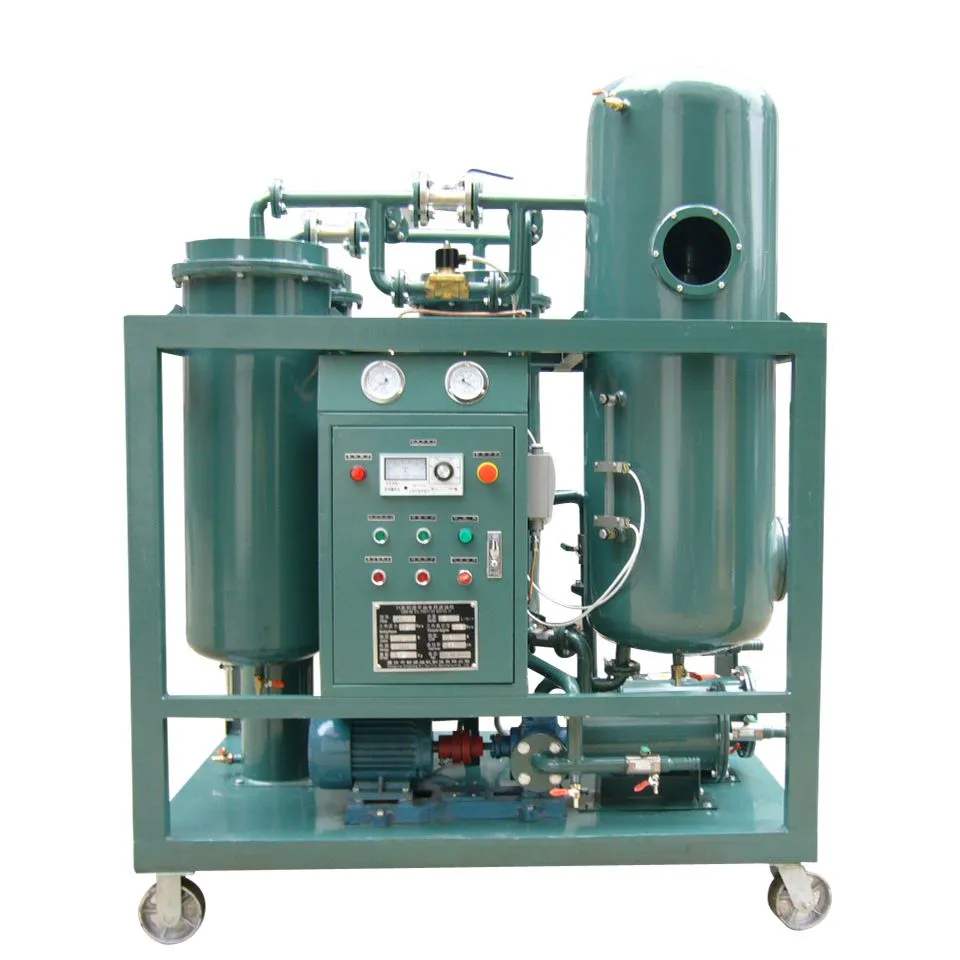
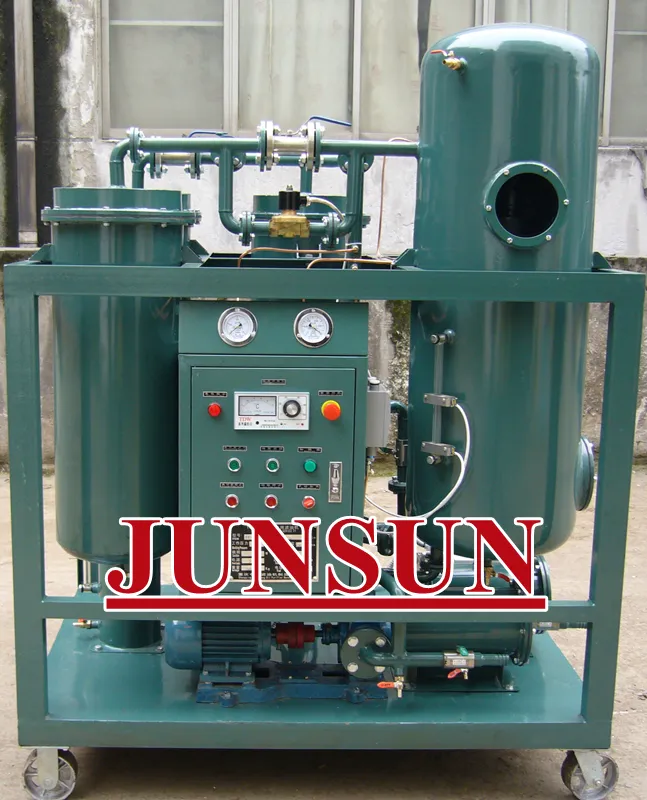
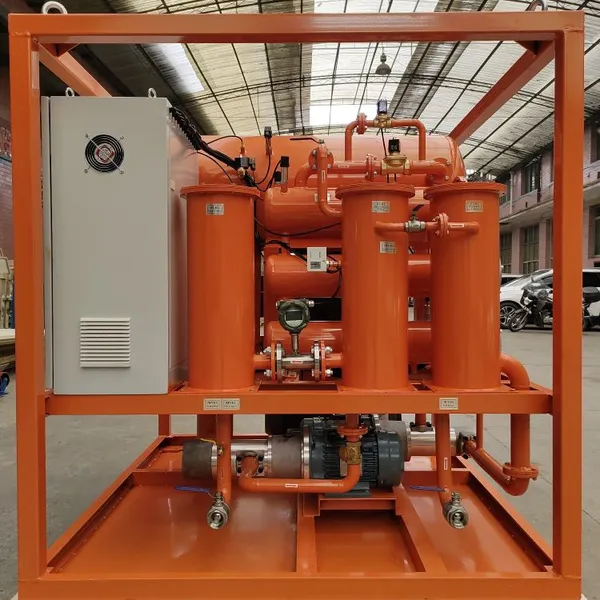
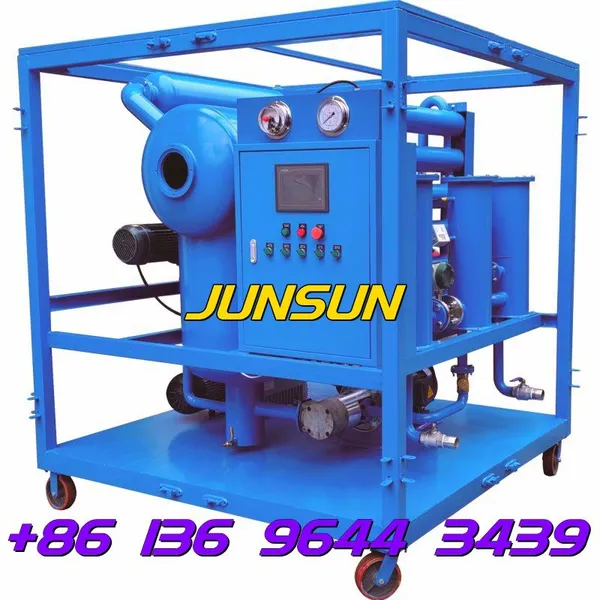
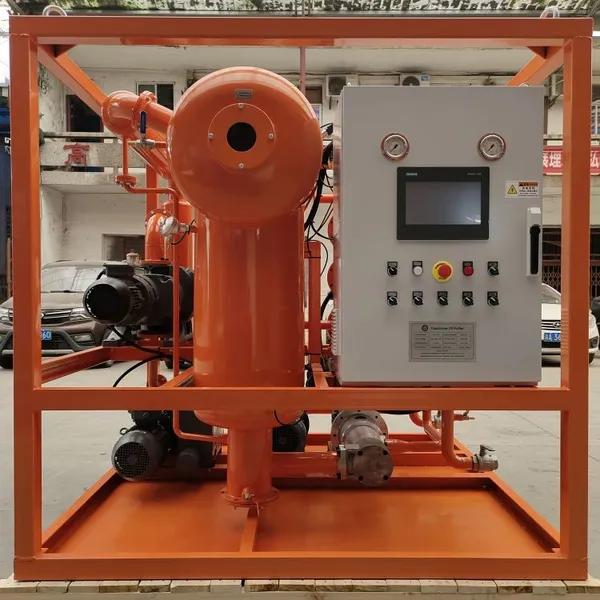
A vacuum oil purification machine targets three classes of contaminants in a single pass. It removes dissolved and free water, dissolved gases, and solid particles. Each class matters for a different reason, and the machine is designed to handle all of them together rather than one at a time.
Water removal is handled by vacuum dehydration. The oil is heated and exposed to a deep vacuum, which lowers the boiling point of water and lets it evaporate out. This is why even trace moisture can be pulled down to levels in the low single digits of parts per million.
Dissolved gases, including oxygen, nitrogen, and the fault gases that dissolved gas analysis tracks, are removed by the same vacuum degassing stage. Solid particles are then captured by fine filtration, restoring the oil's clarity and dielectric performance. The table below summarizes what a typical unit removes and why it matters.
| Contaminant | Typical Source | Risk If Left in Oil | Removal Method |
|---|---|---|---|
| Dissolved water | Breather, gasket leaks, paper moisture | Lowers breakdown voltage, promotes sludge | Vacuum dehydration |
| Free water | Condensation, ingress | Localized flashover risk | Vacuum + coalescing |
| Dissolved gases | Thermal and electrical stress | Masks fault indicators, feeds oxidation | Vacuum degassing |
| Solid particles | Wear debris, fibers, oxidation | Bridges insulation gaps, increases tan delta | Fine filtration |
| Acids and sludge | Oxidation over time | Attacks paper insulation | Adsorption / regeneration media |
4. Key Parameters Plant Teams Track
Most plants manage oil health through a short list of laboratory values rather than guesswork. Breakdown voltage, moisture content, acidity, and dissolved gas analysis are the four readings that drive nearly every purification decision. Each has a practical threshold that signals when treatment is due.
Breakdown voltage, measured in kilovolts, is the most intuitive. Fresh oil often tests above 60 kV, and many utilities treat a reading below 30 kV as a clear call to action. Moisture content is tracked in parts per million, with acceptable limits tightening for higher voltage classes.
Acidity, or neutralization number, climbs slowly as the oil oxidizes, and it is an early indicator of paper attack. Dissolved gas analysis goes further, flagging the specific fault gases that point to overheating or partial discharge before they become visible damage. The table below gives typical reference ranges plant teams use.
| Parameter | Unit | Healthy Range | Action Signal |
|---|---|---|---|
| Breakdown voltage | kV | Above 50–60 | Below 30–35 |
| Moisture content | ppm | Below 10–15 | Above 25–30 |
| Neutralization number | mg KOH/g | Below 0.03 | Above 0.10–0.15 |
| Dissolved gas analysis | ppm | Low, stable trend | Rising combustible gases |
| Interfacial tension | mN/m | Above 30–35 | Below 20–22 |
5. How Vacuum Purification Works Step by Step
A typical treatment run follows a fixed sequence that has changed little in principle over the years. The oil is drawn from the transformer or a storage tank, heated to a controlled temperature, and passed through a vacuum chamber where water and gases flash off. It then moves through filters and back into the transformer.
Temperature control matters more than it might seem. The oil is usually heated to somewhere around 40 to 60 degrees Celsius, which is warm enough to release moisture efficiently but not so hot that it risks damaging the oil or the paper insulation. Overheating is a real hazard, since it can accelerate the very oxidation the process is meant to stop.
The vacuum level is the other critical dial. Modern machines pull the chamber down to a deep vacuum, often below a few hundred pascals, which lets water evaporate at far lower temperatures than it would at atmospheric pressure. This combination of moderate heat and deep vacuum is what allows a good unit to dry oil down to single-digit parts per million in a single pass.
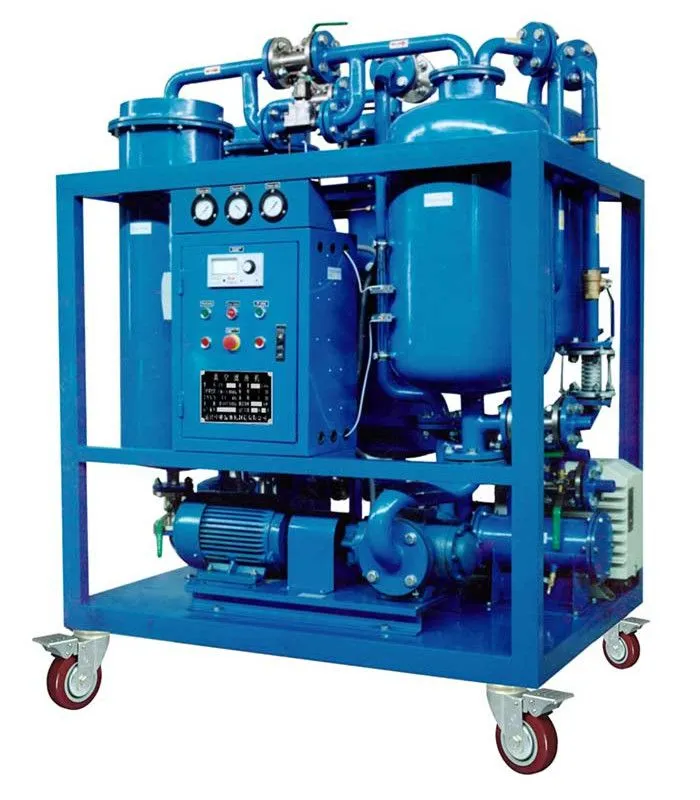
Chongqing Junsun Mechanical & Electrical Co Ltd manufactures this kind of equipment in several configurations, from portable units for field work to larger skid-mounted plants for full fleet treatment. The underlying process is the same, but sizing and automation differ by application.
6. Online Versus Offline Treatment
Plants choose between two broad approaches depending on how critical a transformer is. Offline treatment means taking the unit out of service and circulating its oil through a purification machine until targets are met. It is thorough but requires an outage window.
Online treatment keeps the transformer energized while a small, dedicated purification system circulates a portion of the oil continuously. This approach suits critical units that cannot be taken offline easily, and it also works well as a long-term moisture-control strategy. The trade-off is that online systems treat oil more gradually.
Many plants land on a hybrid model. They run periodic offline treatments during planned outages, then add online systems only to the transformers that have a history of moisture or gas problems. This keeps capital costs down while concentrating protection where the risk actually sits.
Online units are typically sized much smaller than offline machines, often handling a modest fraction of the total oil volume per day. That is deliberate, since their job is to hold condition steady between outages rather than to perform a full restoration in a single shift. A well-matched online loop can keep moisture below the alarm threshold almost indefinitely on a stable unit.
7. Building a Practical Maintenance Schedule
A workable oil program is built around the plant's existing outage calendar rather than added on top of it. The goal is to match every planned outage with a quick condition check, then treat the oil only when the numbers say it is needed. This turns purification from an emergency into a routine line item.
Most plants find that an annual or biennial oil test is enough for healthy transformers, with treatment reserved for units that drift out of range. Higher-voltage and heavily loaded units justify more frequent sampling. The exact cadence matters less than consistency, since trending the same parameter over time is what reveals slow degradation.
Spare oil and a staged treatment plan also matter. Keeping a small stock of tested, dried oil lets a plant respond to a bad test result without waiting on a supplier. And having a portable purifier on hand means a single unit can serve an entire station instead of buying dedicated systems for every transformer.
Good record-keeping completes the loop. A plant that logs every test result, every treatment run, and every oil top-up builds a trend history that reveals slow problems long before they become outages. Our team has seen sites catch a slowly rising moisture trend three seasons early simply because the data was plotted side by side instead of filed away.
8. Real-World Outcomes
A thermal power station in South Asia had been fighting rising moisture on three generator step-up transformers for several seasons. The team brought in a vacuum purification machine from Junsun Mechanical & Electrical and ran a full offline treatment on each unit during a scheduled outage. After a single pass, breakdown voltage recovered from the low 30s to above 60 kV, and moisture dropped into single-digit parts per million.
The follow-up results were quieter but just as valuable. Six months later the same transformers were still holding steady readings, and the plant cut its emergency oil work to nearly zero.
Not long ago, a smaller hydro facility used a portable unit from the same range to dry oil on a 40 MVA unit that had taken on water through a failed gasket. The team treated the oil in place over two days and avoided a costly transport-and-refill job. These outcomes are typical of what routine purification delivers when the work is scheduled rather than rushed.
9. Frequently Asked Questions
9.1 How often should transformer oil be purified in a power plant?
Most healthy transformers only need oil treatment when testing shows a problem, which for many plants works out to every few years. Annual or biennial sampling drives the decision, and treatment is scheduled into the next available outage when a parameter drifts out of range. Critical or heavily loaded units may justify more frequent checks, but the schedule should always follow the condition data rather than a fixed calendar. The goal is to treat oil before it becomes a problem, which is always cheaper than reacting after a test result has already crossed the alarm line.
9.2 Can transformer oil be purified while the transformer is running?
Yes. Online purification systems circulate a portion of the oil through a dedicated treatment loop while the transformer stays energized, which is a practical choice for critical units that cannot be taken offline and works especially well for long-term moisture control. The treatment is more gradual than a full offline pass, so many plants combine online systems for protection with offline treatment during planned outages. Both approaches use the same underlying vacuum principle, and the choice is really about access to the unit rather than about the quality of the result.
9.3 What is an acceptable breakdown voltage for operating transformer oil?
Fresh transformer oil commonly tests above 60 kV, and many utilities consider a reading below 30 to 35 kV a clear signal to treat the oil. The exact limit varies with voltage class and local standards, with higher-voltage equipment held to tighter thresholds. Once breakdown voltage drops into the low 30s, moisture and particles are usually the cause, and a vacuum purification pass typically restores the oil well above the safe operating floor. A single treatment can often lift the reading back above 55 kV, which gives the plant a comfortable margin again.
9.4 Does oil purification remove sludge and acids from transformer oil?
Standard vacuum purification is excellent at removing water, dissolved gases, and solid particles, but acids and sludge need a regeneration stage using adsorbent media. For heavily oxidized oil, a combined purification and regeneration system can recover much of the oil's original properties. This avoids the cost of a full oil replacement and keeps the existing oil in service longer. Our team can advise which approach fits a given oil condition and operating environment, so the right method is applied the first time.
Recently Posted
-
How Substations Use Insulating Oil Purifiers to Extend Transformer Life
August 27, 2026A distribution substation near a river delta once logged a routine oil sample that came back worse than expected. The breakdown vo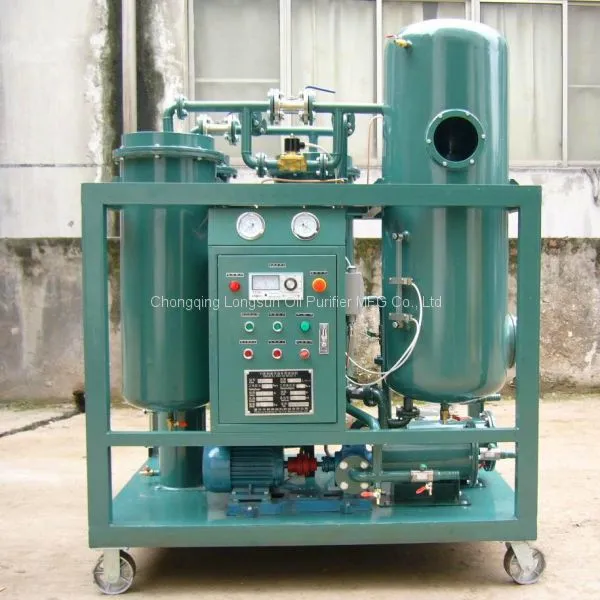 Read More
 -
Insulating Oil vs Transformer Oil vs Dielectric Oil: Terminology Explained
August 26, 2026A procurement engineer once spent a frustrating week chasing a specification written by two different departments. One referred to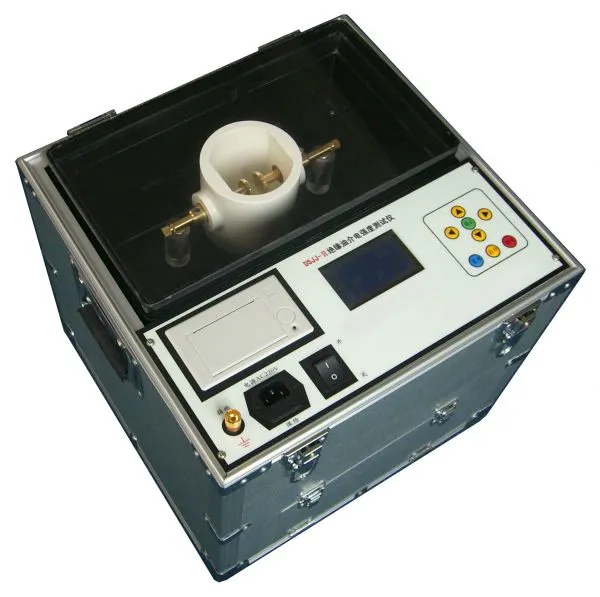 Read More
 -
What Is a Transformer Oil Purification Machine? A Complete Guide
August 25, 2026A plant manager once faced a transformer that had been running for years without attention, and the oil sample that came back from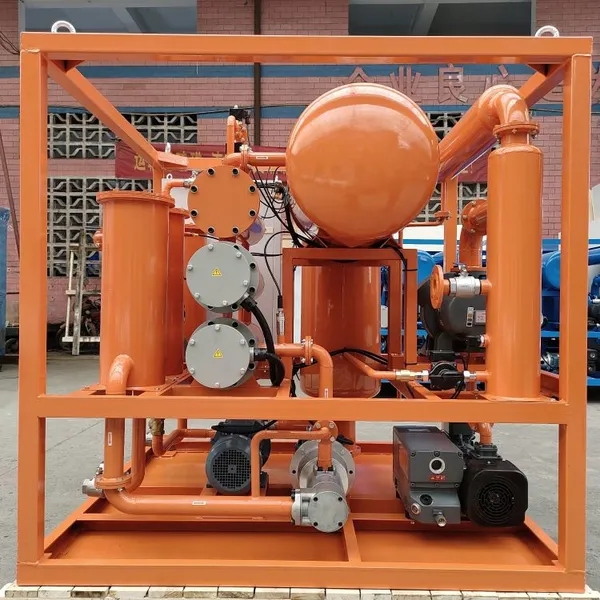 Read More
 -
Quality Control in Oil Purifier Manufacturing: From Raw Materials to Final Testing
August 25, 2026A buyer once took delivery of a vacuum oil purifier that looked impressive on the outside but could not hold vacuum on the inside.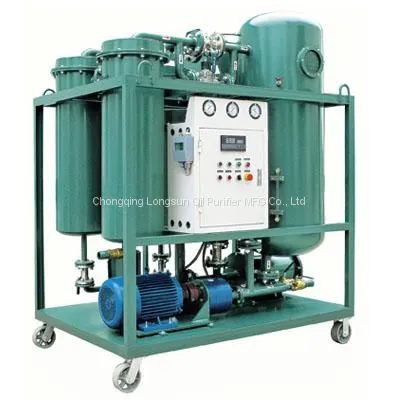 Read More

Contact Us
Recommended Products
-
 Highly Automated Transformer Oil Filtration Plant For Insulating Oil TreatmentNegotiableMOQ: 1 Set
 -
CJME 100KV Automatic Insulation Oil Dielectric Strength Tester for BDV TestingNegotiableMOQ: 1 Set
-
JUNSUN 80KV Transformer Oil Dielectric Strength Tester Rigidez Dielectrica TestingNegotiableMOQ: 1 Set
-
JCDY-023 Transformer Oil Breakdown Voltage Tester IEC 60156 Oil BDV TesterNegotiableMOQ: 1 Set
-
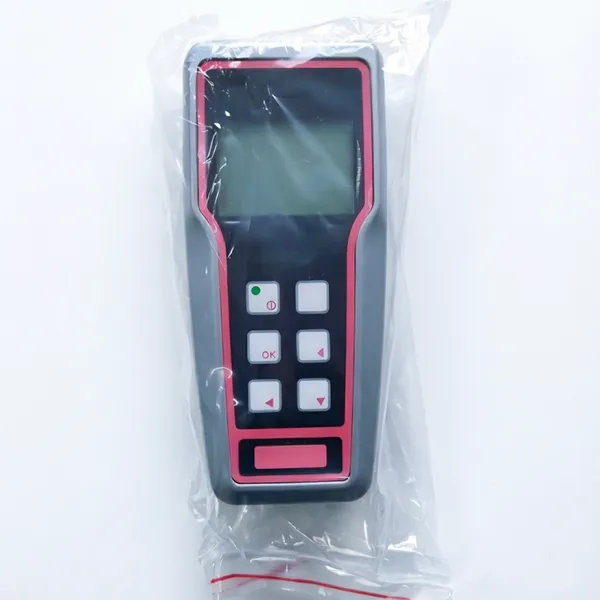
DP70B Handheld Dew Point Meter for Compressed Air Dryer SystemsNegotiableMOQ: 1 Set
-
Two-Stage Vacuum 100 L/min Oil Processor for Transformer Oil PurificationNegotiableMOQ: 1 Set
-
JUNSUN 12000 LPH Thermal Vacuum Transformer Oil Treatment Machine For Oil PurificationNegotiableMOQ: 1 Set
-
Transformer Oil Purification Machine 6000 Liters Per Hour With Double Stage High Vacuum SystemNegotiableMOQ: 1 Set
-
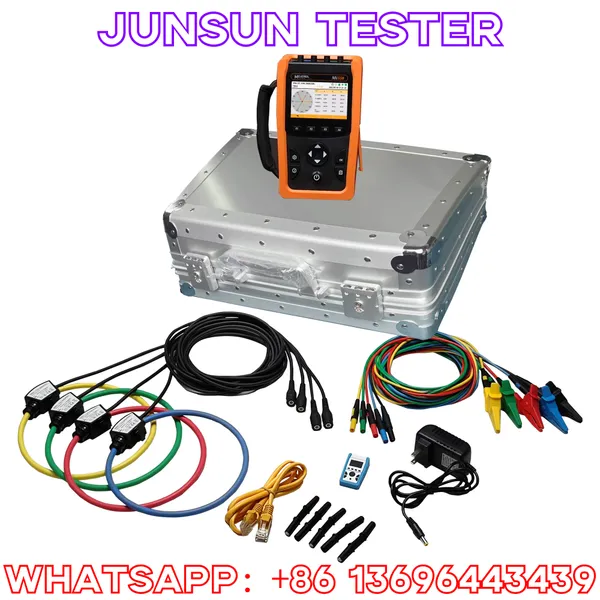
Junsun Mi550 Handheld Three Phase Power Quality AnalyzerUS$ 750 - 1500MOQ: 1 Set
-
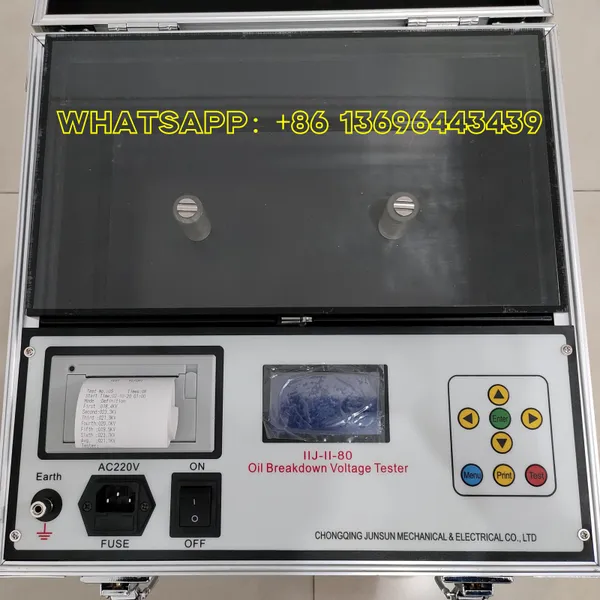
80KV & 100KV Transformer Oil Breakdown Voltage/ Dielectric Strength/ BDV TesterUS$ 850 - 1999MOQ: 1 Set

-
Automatic PMCC Pensky-Martens Closed Cup Flash Point TesterUS$ 1999 - 2999MOQ: 1 Set
-
KKSD-3011 Series Automatic Cleveland Open Cup Flash Point TesterUS$ 1999 - 2999MOQ: 1 Set
-
Automatic Oil Acid Number Tester, Transformer Oil Acid Value Test KitUS$ 999 - 3999MOQ: 1 Set
-
Superior Quality and Competitive Price Volumetric & Coulometric Karl Fischer TitratorUS$ 1599 - 3999MOQ: 1 Set
-
Best Quality Volumetric Karl Fischer Moisture Titrator, Coulometric Karl Fischer Titration Test KitUS$ 999 - 9999MOQ: 1 Set


-
GKF Series High Quality Fully Automatic Dry Air GeneratorUS$ 4999 - 19999MOQ: 1 Set
-
PLC Controlled Vacuum Pump Set for Transformer Oil Filling and Paper DryingUS$ 4999 - 19999MOQ: 1 Set
-
50KV 100KV 200KV Oil-Immersed/Dry Type Testing Transformer AC DC Withstand High Voltage Hipot TesterUS$ 999 - 9999MOQ: 1 Set
-
High Reliability JS3045 Series Digital Insulation Resistance Megohm MeterUS$ 499 - 999MOQ: 1 Set
-
Portable Type Partial Discharge (PD) Testing Equipment for Switchgear/ Transformer/ GIS/ CableUS$ 2999 - 4999MOQ: 1 Set